Underground Services Hamilton
Coordinated utility trenching and ducting, sequenced ahead of roads and surfacing.
07 8087 881Underground Services Installation in Hamilton
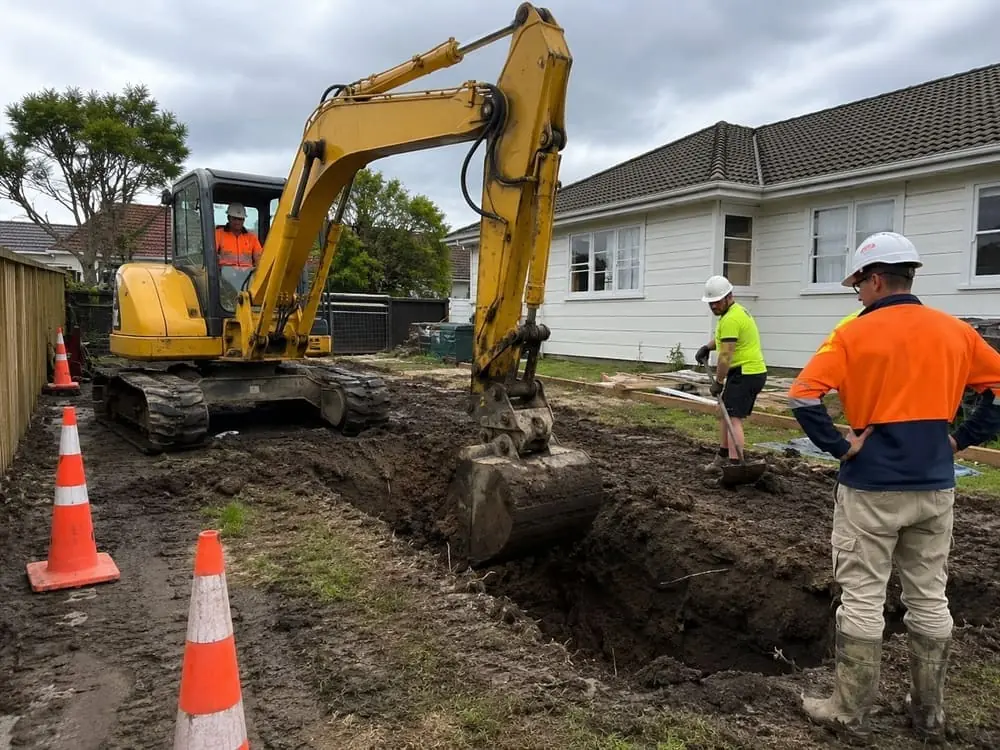
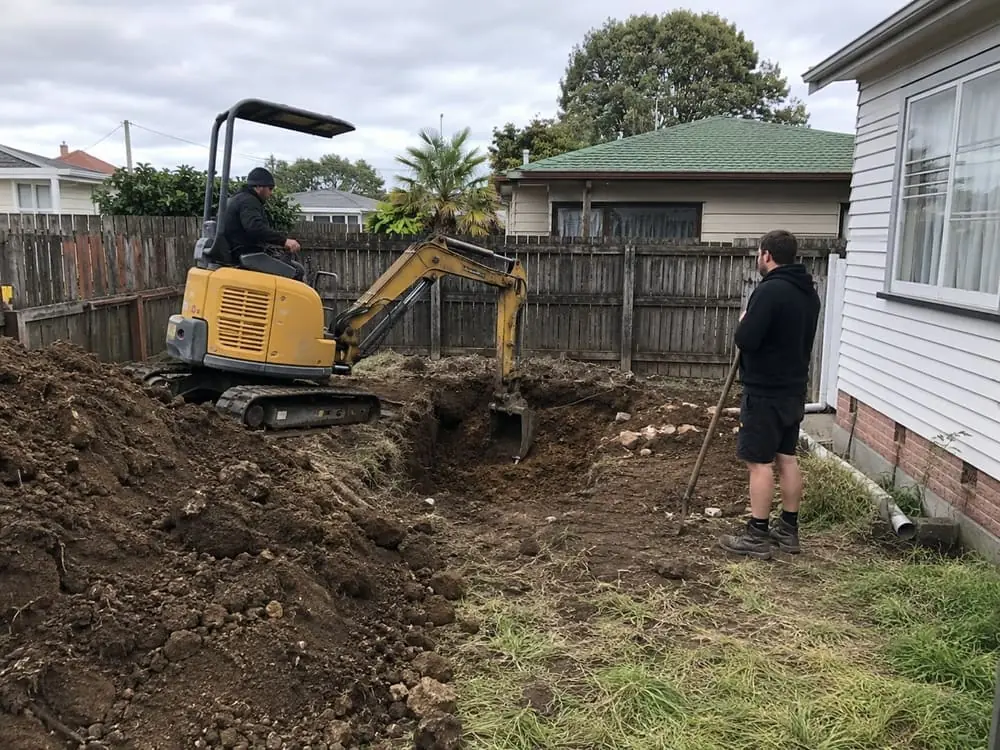
Modern subdivisions require coordinated underground services, including power, telecommunications and utility ducting, all installed before roading and surfacing work begins. Our underground services installation in Hamilton covers trenching and ducting works, completed in coordination with utility providers and council requirements.
We carefully sequence installation alongside other civil works, ensuring services are properly placed and protected before final road and footpath construction. Getting underground services right the first time avoids costly excavation rework later in the project. Our experienced team understands the coordination required across multiple utility providers, helping keep subdivision projects on schedule while ensuring full compliance with service installation standards.
Free estimate
Underground Services Installation in Hamilton
Underground services bring together several asset owners, each with its own design, specifications and inspection process. We act as the civil link between them, preparing trenches, laying ducts and pits, managing crossings and keeping records, so power, fibre, street lighting and other services are ready before kerbs, footpaths and road pavements are built over the top.
Shared Services Trenches
Where the design allows, power, telecommunications and sometimes water are laid in a common berm trench with specified separations. Sharing a trench reduces excavation, spoil and reinstatement, and we set out each service carefully so it sits in its allocated position within the road reserve.
Road Crossing Ducts
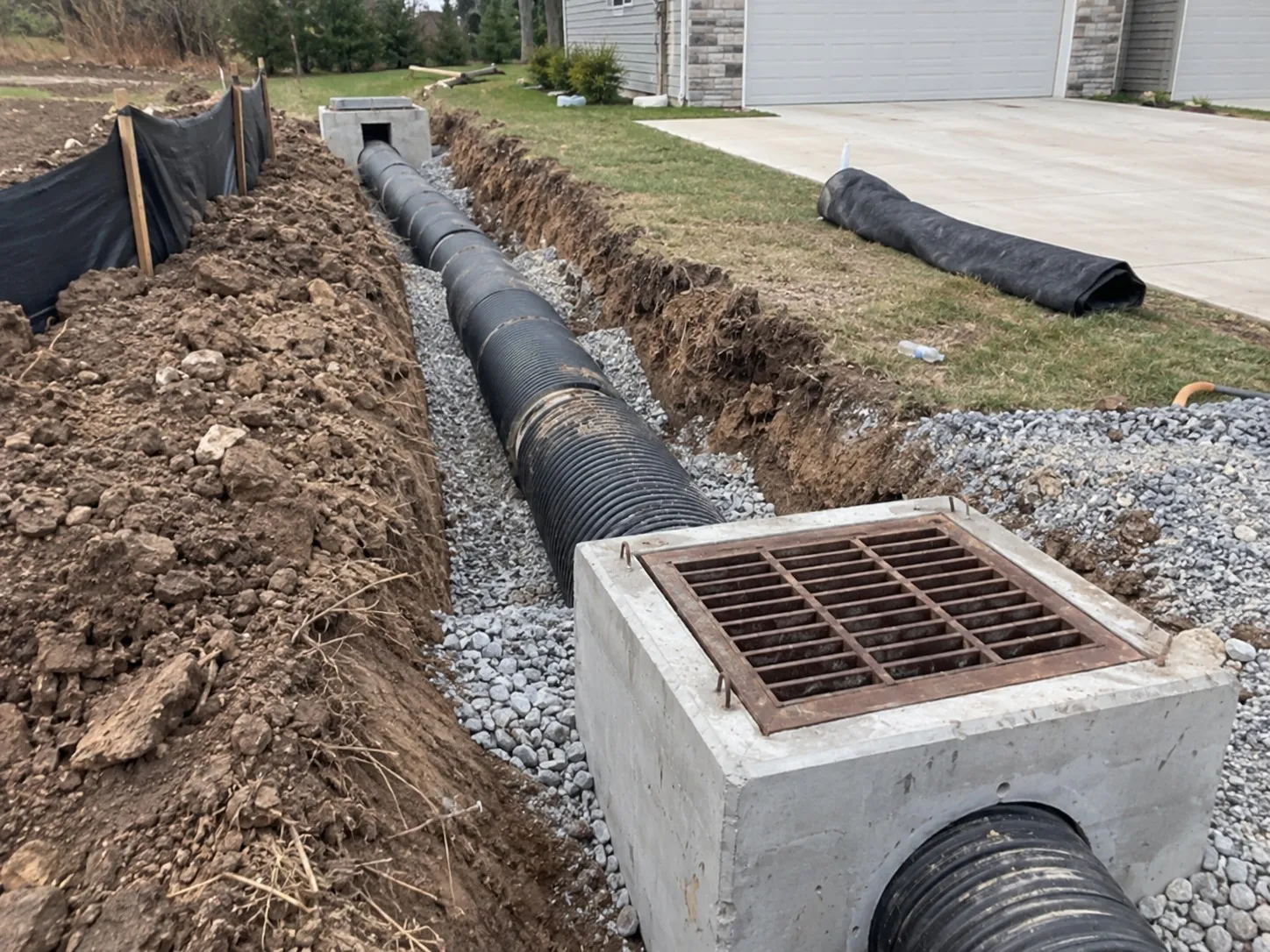
Spare and service ducts are laid across future roads before basecourse goes down, so cables and pipes can be pulled through later without cutting new pavement. We mark duct ends clearly and record their positions, saving expensive trenching and reinstatement once the road is sealed.
Street Lighting Cabling
We trench and lay ducts for street lighting circuits and prepare foundations for light poles in line with the lighting design. Coordinating this work with the electrical contractor means poles and cabling are ready when footpaths are formed, avoiding damage to new concrete.
Pits, Pillars And Chambers
Utility pits, service pillars, transformer pads and access chambers are installed at the locations set by each network owner. We prepare firm bases, set units to the right height and alignment, and backfill carefully so boxes and pillars remain level once the surrounding berm is finished.
Service Location And Protection
Before and during excavation, existing services are identified from plans and on-site locating, then exposed carefully where they cross our work. Warning tape, marker boards and protective cover are placed above new services so future trades know exactly what lies beneath.
Sequencing With Civil Works
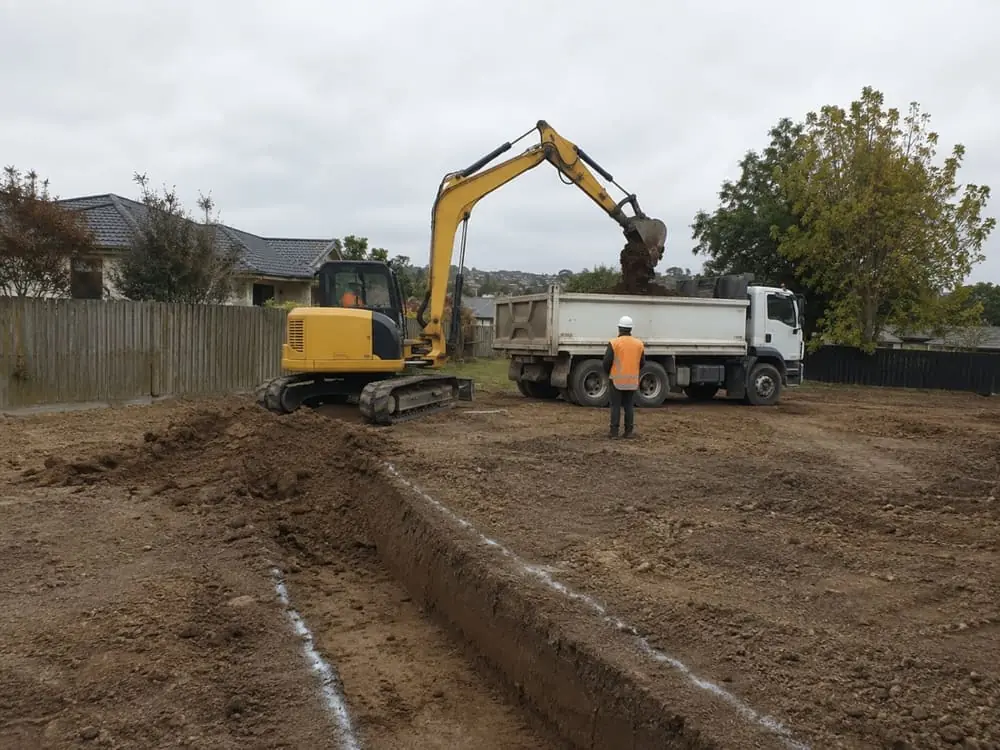
Services must go in after bulk earthworks and drainage but before subgrade, kerbs and footpaths. We plan this sequence across the whole programme so each crew has clear access, trenches are not reopened and the roading team can start on time once service sign-offs are received.
Backfill And Compaction Testing
Service trenches that run under or beside future pavements must be backfilled to a standard that will not settle. We use specified bedding and backfill materials, compact in controlled layers and arrange compaction testing where required, preventing dips and cracks appearing in roads and footpaths later.
As-Built Records
Accurate records matter for every asset owner and for council completion. We capture depths, positions and duct allocations as work progresses and supply as-built information in the format requested, making sign-off simpler and helping future owners avoid accidental service strikes.
What You Gain From a Single Contractor for Underground Services
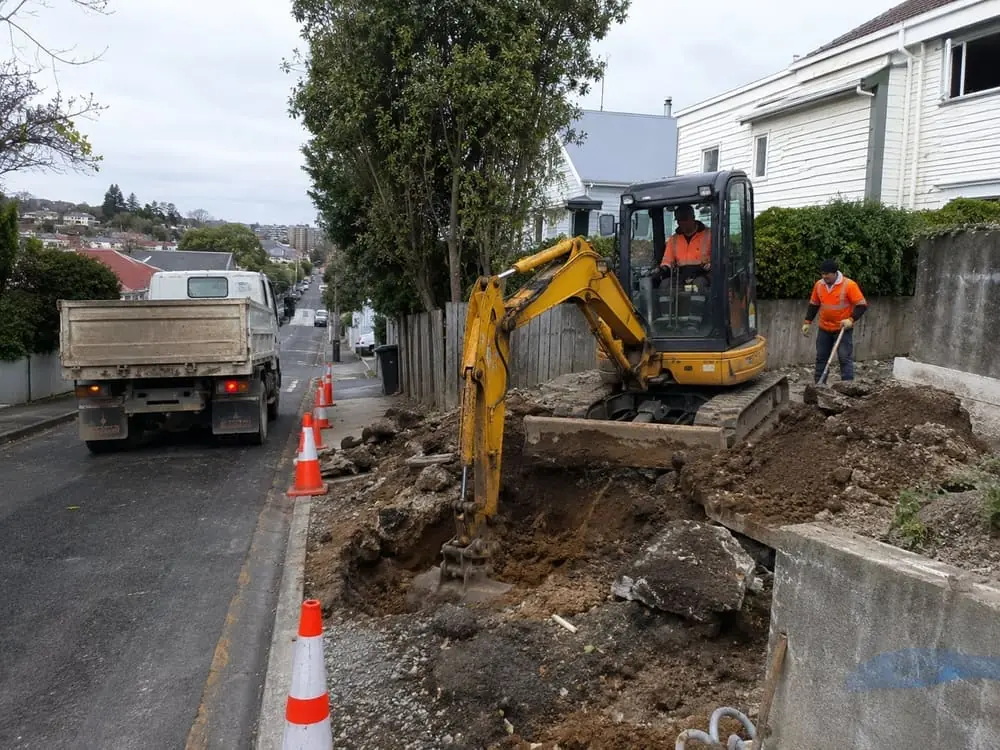
Underground services run more smoothly when the contractor coordinating them is also laying the pipes beside them. Because we install the stormwater, sewer and water mains as well as the power and telco ducting, we already know where every service has to sit before the shared trench is opened. That means one programme for the whole corridor, one point of contact for network owners and council, and fewer trenches reopened once kerbs and footpaths start going in on a Waikato subdivision.
- Civil Works
- Stormwater Drainage
- Wastewater & Sewer
- Water Main Installation
- Underground Services You are here
- Power & Telco Ducting
- Culvert Installation
- Section 224 Completion
Hamilton Underground Services Contractors: Our Scope
Several network owners share the berm, so the approved combined services layout and each owner's specifications are settled first.
Included in the scope
- Shared berm trenches with each service in its allocated position
- Road crossing ducts laid before basecourse, ends marked
- Pits, pillars and chambers set on firm bases
- Warning tape and marker boards over new services
- Backfill compacted in layers under future pavements
Confirmed separately
- Cable hauling and livening by each network owner
- Street lighting cabling by the electrical contractor
- Compaction testing by an independent lab where specified
- Exposing unmarked existing services found during excavation
- Network owner design, approval and inspection fees