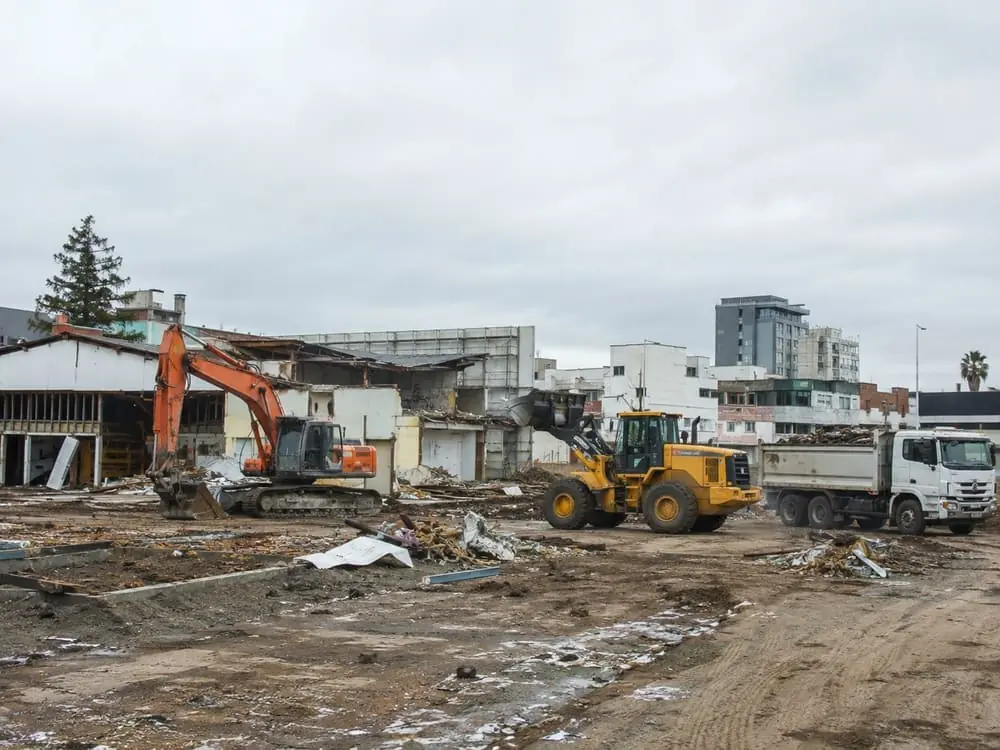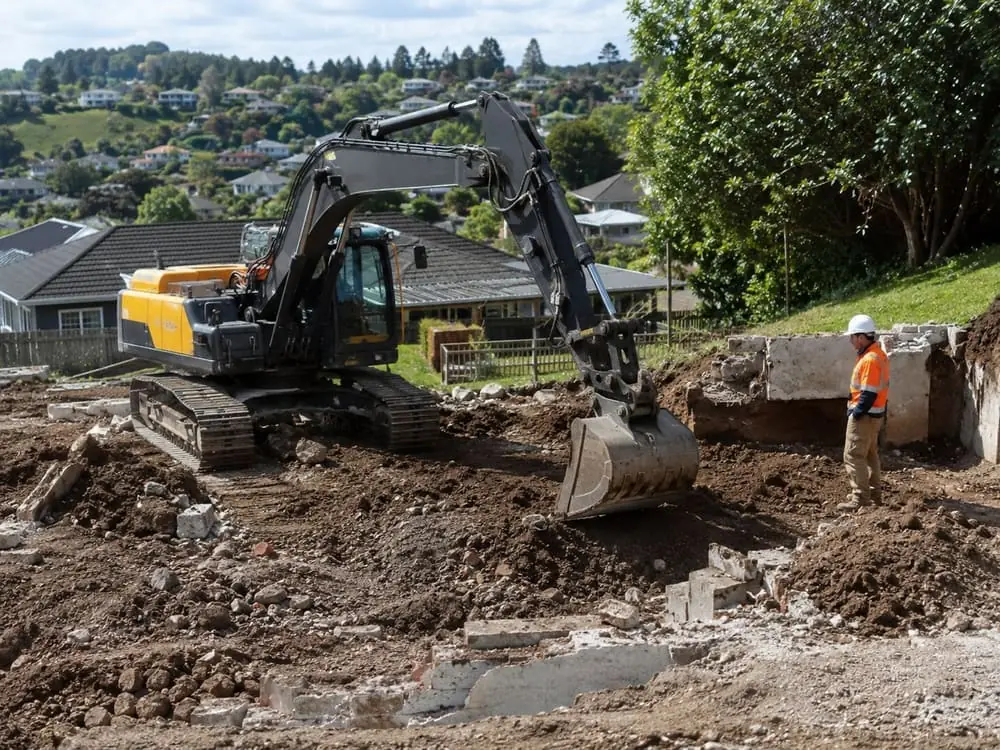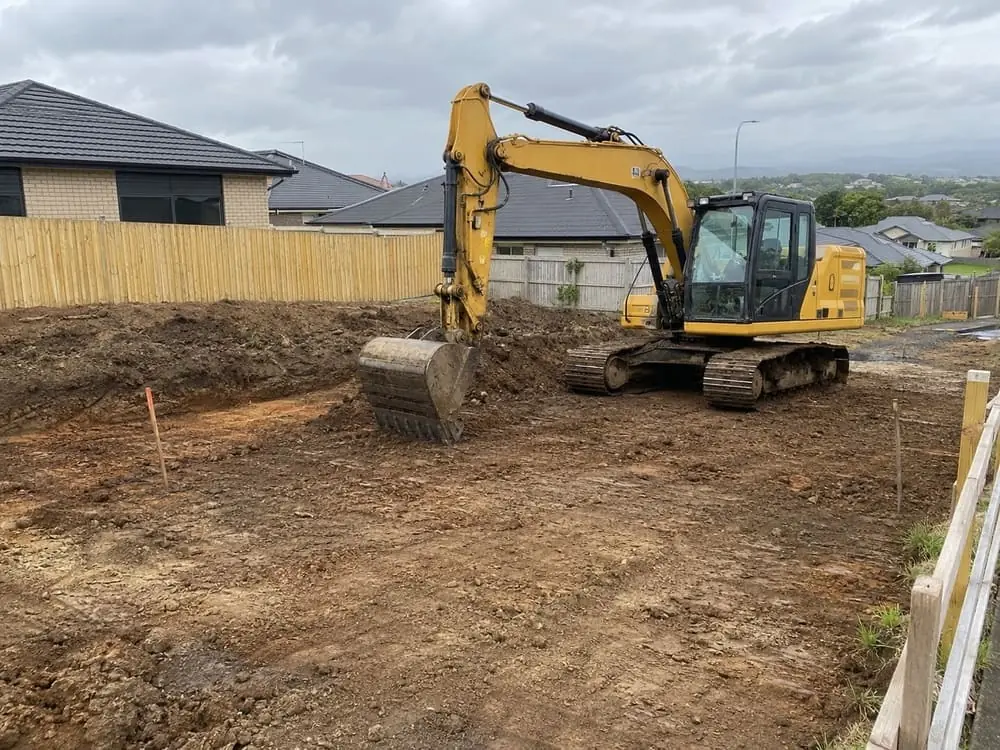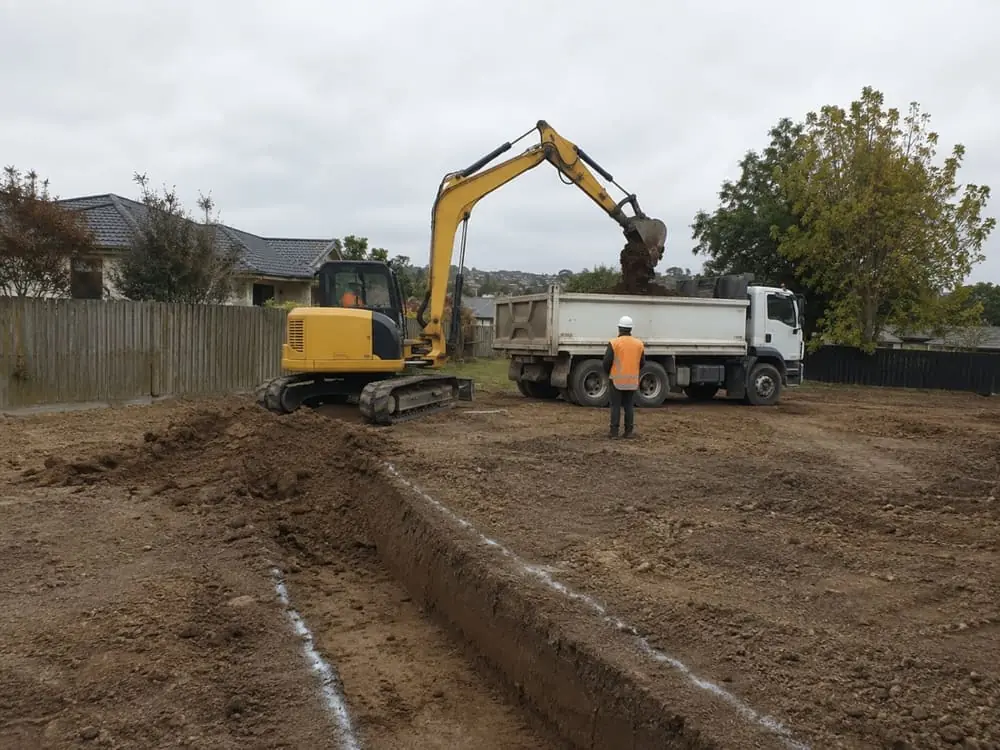
Topsoil Stripping Hamilton
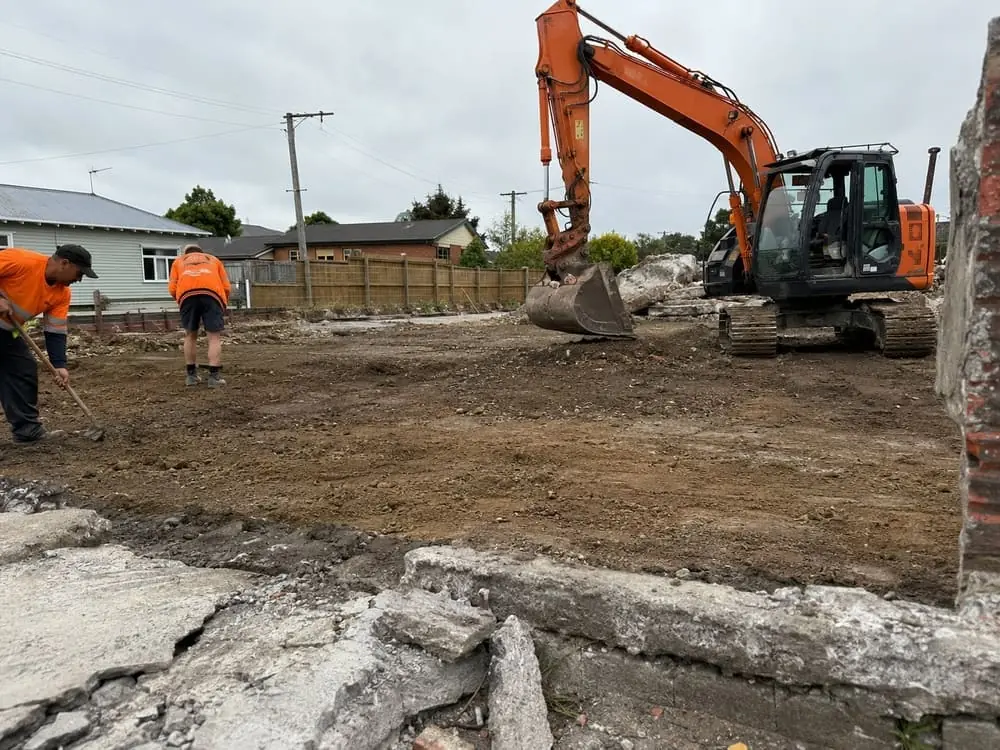
Topsoil stripped cleanly, stockpiled safely and kept ready for reuse.
07 8087 881Topsoil Stripping & Stockpiling in Hamilton
Proper topsoil management is an essential early stage of any earthworks or subdivision project, preserving valuable soil for later landscaping or resale while preparing the site for construction. Our topsoil stripping and stockpiling services in Hamilton involve carefully removing topsoil layers and storing them in designated stockpile areas, protecting soil quality until it's needed again.
We manage stockpile placement to prevent erosion, contamination or interference with ongoing site works, following best practice guidelines throughout the process. Proper topsoil handling can also support council compliance requirements related to soil conservation and site management plans. Our experienced team ensures efficient stripping and stockpiling, helping keep your project on schedule while preserving this valuable resource for future use.
Free estimate
Topsoil Stripping and Stockpiling Services in Hamilton
Topsoil is organic, compressible and unsuitable to build on, but it is valuable once earthworks are complete. We strip it to the depth your engineer confirms, keep it separate from subsoils and fill, and store it where it will not get in the way. When lots are ready, we respread it or cart surplus to where it is needed.
Depth Checks Before Stripping
Topsoil depth varies across a block, especially on former farmland around Hamilton. We dig test holes and follow the geotechnical advice so we strip the right amount: enough to remove organic material from building and road areas without wasting good subsoil or creating unnecessary fill demand later.
Clean Separation Of Materials
Topsoil loses its value quickly if it gets mixed with clay, ash or construction debris. We strip in controlled passes with the right machines, keep topsoil apart from subsoil and unsuitable material, and remove roots, rubbish and old fencing so the stockpile stays clean enough to reuse or sell.
Planned Stockpile Locations
Stockpiles are placed where they will not block haul roads, sit on services or overload the edge of batters and trenches. We keep them clear of boundaries, streams and overland flow paths, and agree positions with your engineer so they do not need to be moved again mid-project.
Stockpile Shaping And Covering
We shape stockpiles with stable side slopes and track-roll the surface to shed rain. For piles that will stand through winter, we can cover, grass or mulch them and add silt fencing around the base, reducing erosion and keeping sediment inside your consented controls.
Volume Tracking
Knowing how much topsoil you have helps with budgeting and resale. We can record approximate stripped volumes and stockpile quantities as work progresses, making it easier to plan respreading, work out any surplus for cartage and reconcile earthworks quantities with your engineer or quantity surveyor.
Respreading On Completion
Once lots, reserves and berms are formed, we respread stockpiled topsoil to the specified depth and trim it to a finish ready for grassing or landscaping. Reusing your own soil reduces import costs and helps new lawns and planting establish quickly on finished sections.
Cartage Of Surplus Topsoil
Subdivisions often generate more topsoil than they can reuse. We load and cart surplus soil to other projects, landscape suppliers or approved disposal sites, and can coordinate trucks so cartage happens without holding up bulk earthworks. Clean, well-stored topsoil is often easier to place than mixed material.
Small Site And Residential Stripping
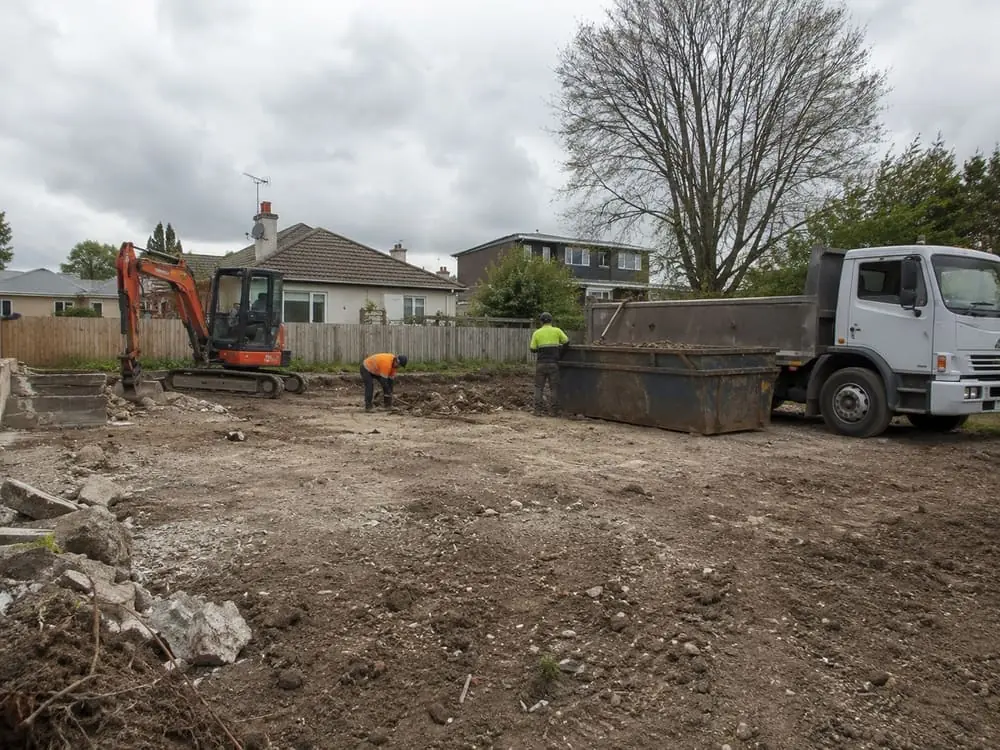
Not every job is a subdivision. We also strip topsoil from single house sites, driveways, sheds and extensions across Hamilton, stockpiling what the owner wants to keep and removing the rest. It is often done at the same time as site clearing or demolition to keep the programme tight.
The Benefits of Topsoil Stripping by the Crew Doing Your Earthworks
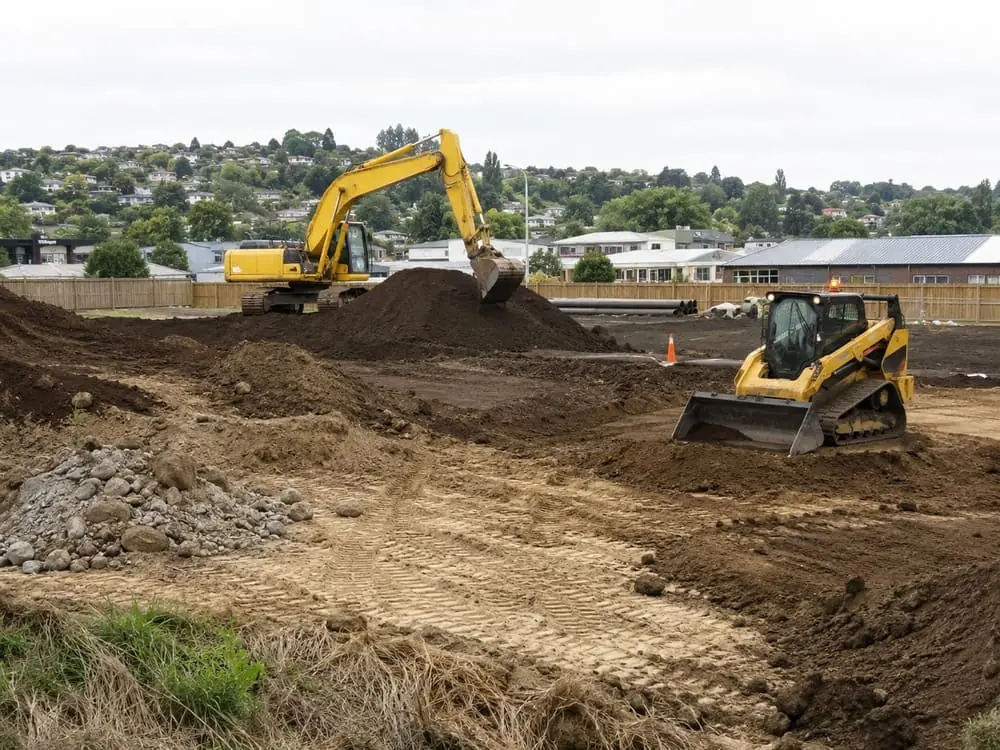
Topsoil is handled at the start and the end of a job, so keeping it with the earthworks crew avoids waste in between. The operator who strips it plans stockpile positions around the later cut and fill, bulk excavation and truck routes, which means piles are not pushed around or buried under fill. When platforms and lots are finished, the same team respreads the stored soil during final grading and carts any surplus, with one contact tracking volumes from the first strip to the last.
- Earthmoving
- Digging & Excavations
- Land Development
- Bulk Excavation
- Grading & Levelling
- Cut and Fill
- Erosion & Sediment Control
- Topsoil Stripping You are here
- Engineering Earthworks
Hamilton Topsoil Stripping Contractors: Our Scope
Strip depth varies across a block, so test holes and the geotechnical engineer's advice settle how much topsoil is removed.
Included in the scope
- Test holes dug to check topsoil depth before stripping
- Topsoil kept apart from clay, ash and debris
- Roots, rubbish and old fencing removed from the soil
- Stockpiles placed clear of haul roads, services and streams
- Stockpiles shaped with stable sides and track-rolled to shed rain
Confirmed separately
- Cartage of surplus topsoil to other projects or suppliers
- Covering, grassing or silt fencing for piles left over winter
- Respreading on finished lots, reserves and berms
- Engineer inspection of the exposed subgrade after stripping
- Deeper stripping where low-lying ground holds more topsoil