Consent Compliance Hamilton
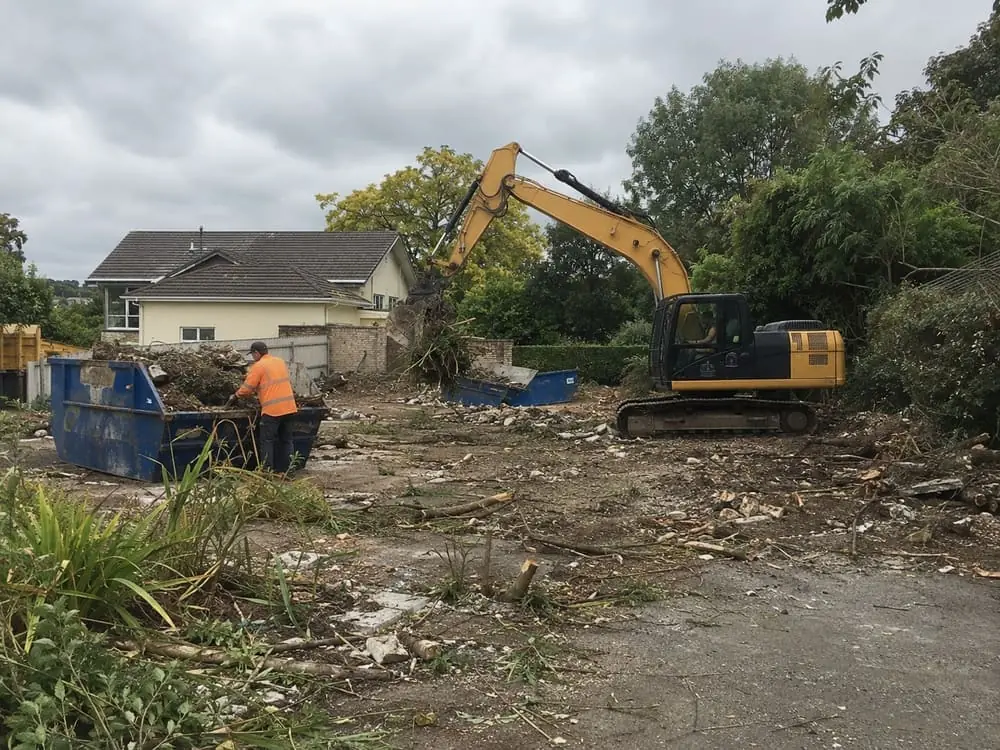
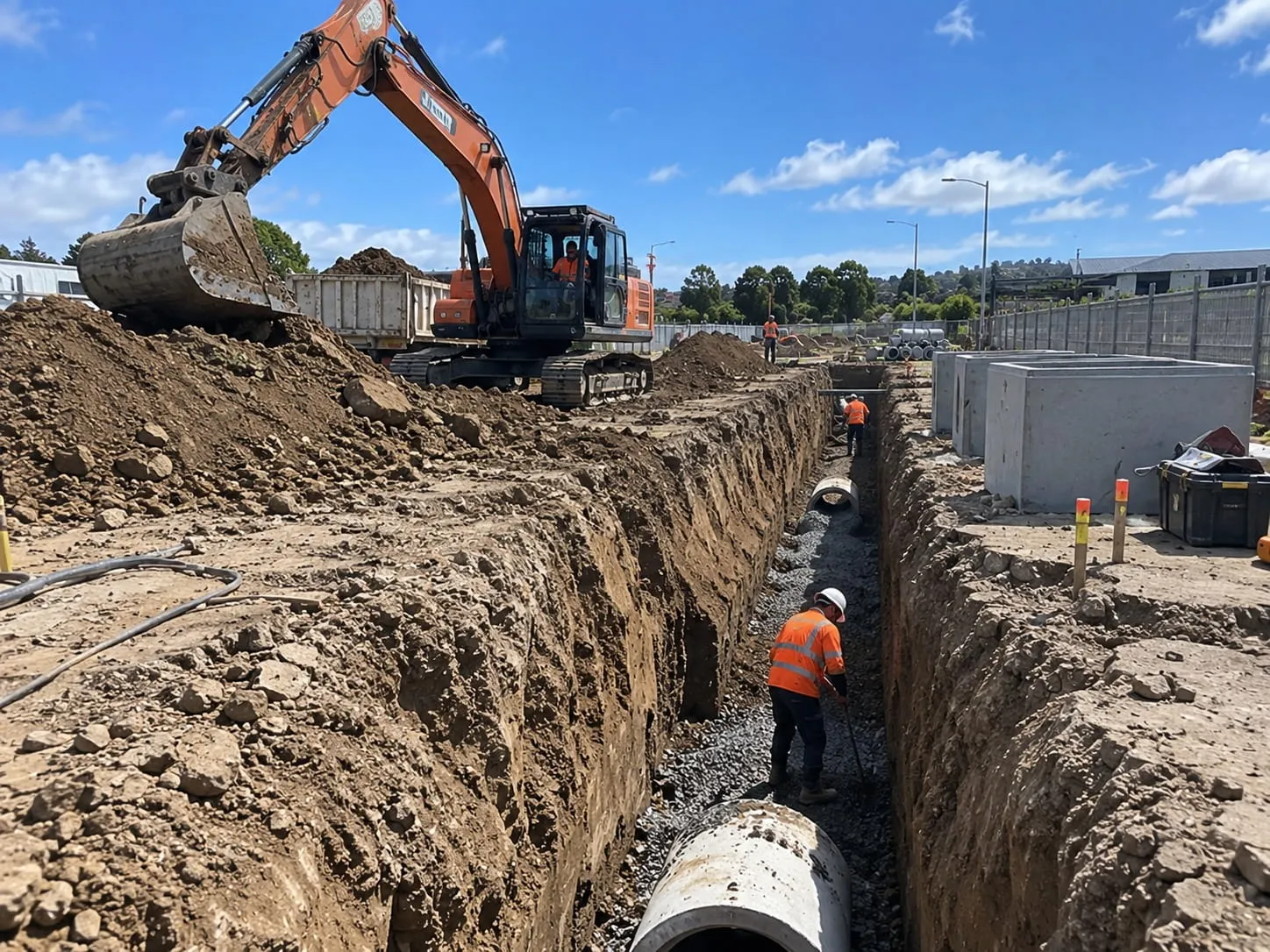
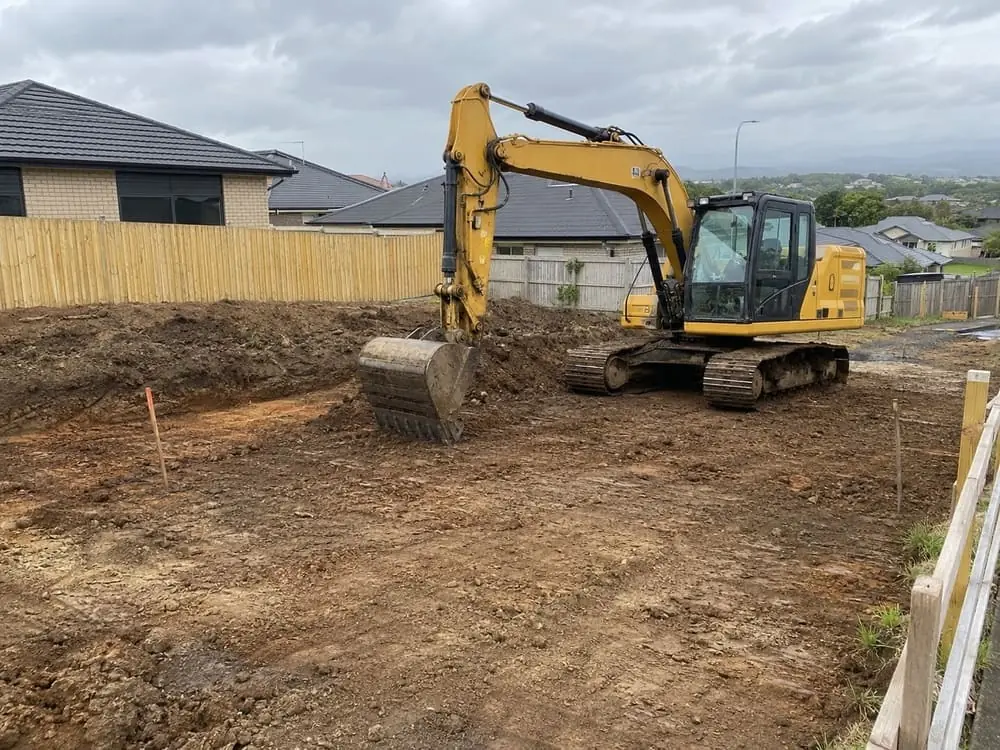
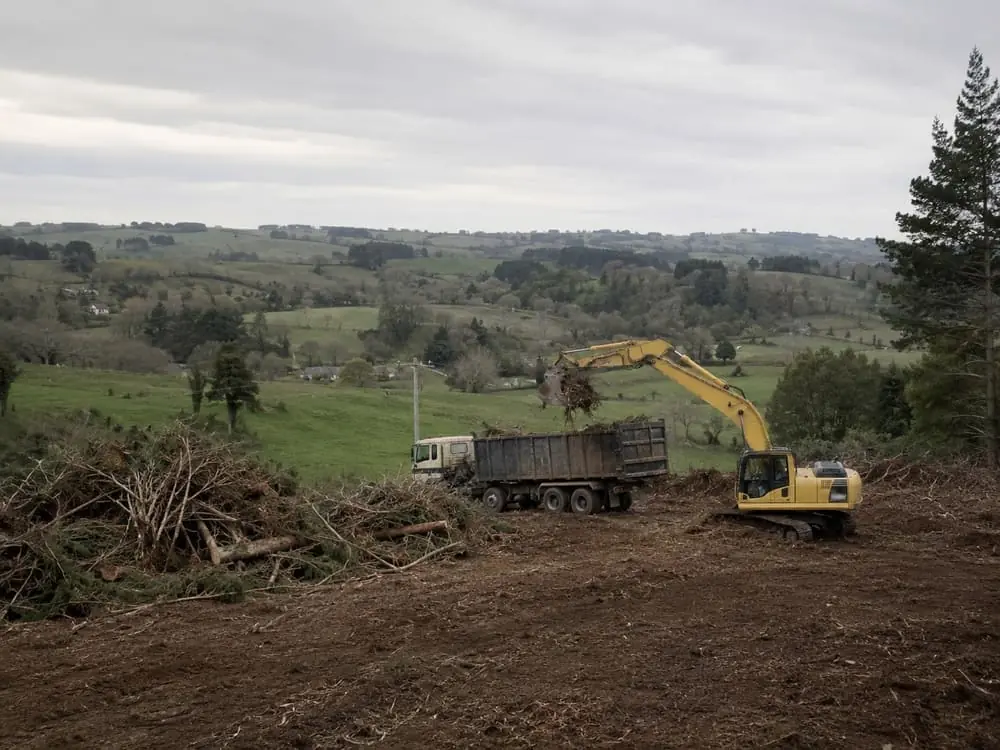
Earthworks and civil works carried out within your approved consent conditions.
07 8087 881Resource Consent Compliance Works in Hamilton
Navigating resource consent conditions is a critical part of any subdivision or civil works project, requiring careful attention to environmental, engineering and construction requirements set by council. Our resource consent compliance services in Hamilton help ensure earthworks, drainage and construction activities align with approved consent conditions throughout every project stage.
We maintain proper documentation, monitoring and reporting where required, helping developers avoid compliance breaches that could delay project completion. Working within consent conditions from the start reduces the risk of costly rework, fines or disputes with council further into the project. Our experienced team understands the practical and technical demands of consent compliance, helping keep your development on track for successful sign-off and completion.
Free estimate
Resource Consent Compliance Services in Hamilton
Consent conditions only protect a project if they are understood on site. Before we start, we go through the conditions with you, your planner and your engineer, and turn them into practical steps for our crew. From working hours to sediment controls and dust management, the aim is a site that stays compliant without slowing the work down.
Condition Review Before Work
We read through the resource consent and approved plans with you before mobilising, picking out conditions that affect our work, such as pre-start meetings, management plans, hold points and notification requirements. Flagging these early means nothing is missed once machines are on site and the programme is under pressure.
Management Plan Implementation
Many consents require construction, traffic, dust or erosion and sediment control management plans. We put those plans into practice on the ground, from installing controls to following agreed haul routes, and let your consultant know promptly when site conditions mean a plan needs updating or re-approval.
Working Hours And Noise
Consents and the district plan often limit when noisy machinery can operate. We schedule our work within the permitted hours, keep machinery well maintained and plan noisier tasks thoughtfully around neighbours, helping to avoid complaints that can draw attention from council compliance officers.
Dust Control
Exposed earthworks can create dust on dry, windy Waikato days. We use water carts, limit exposed areas, reduce speeds on haul roads and stabilise surfaces to keep dust on site. Keeping dust under control protects neighbours, their properties and your relationship with council throughout the job.
Traffic And Road Cleanliness
Truck movements onto public roads often have conditions attached. We follow the approved traffic management arrangements, keep entrances stabilised and sweep or clean roads where material is tracked out. Clean roads are one of the first things neighbours and monitoring officers notice.
Accidental Discovery Protocols
If earthworks uncover possible archaeological material, koiwi or unexpected contamination, work in that area needs to stop. We follow the accidental discovery protocol set out in your consent, secure the area and notify you straight away so the right people, such as iwi representatives or specialists, can be involved.
Site Records And Photos
We keep daily diaries, photos of controls and key stages, and records of inspections and maintenance. When council asks for evidence or your engineer needs information for a completion report, it is easy to provide, making compliance monitoring visits simpler and less stressful for everyone involved.
Rectifying Compliance Issues
Sometimes a site needs to be brought back into line after heavy rain, a change of contractor or a council inspection. We can step in to repair or upgrade controls, tidy up works that do not match the approved plans and help you respond to any abatement notice or compliance request.
Why Consent Conditions Are Easier to Meet With One Site Contractor
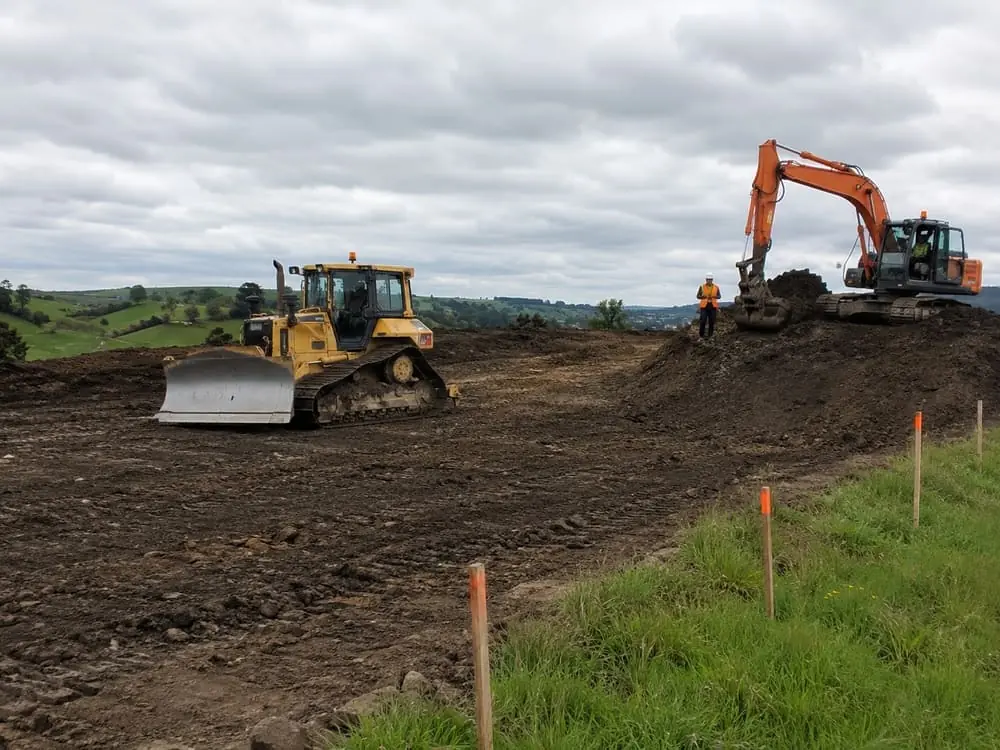
Consent conditions apply to every stage of a development, not just the bulk earthworks. When one contractor carries out the clearing, excavation, drainage and roading, erosion and sediment controls, dust measures and haul routes are set up once and maintained by the same crew as the site changes. Your planner and engineer deal with a single point of contact, hold points are programmed into the work rather than chased between trades, and there are fewer handovers where a condition can slip through the gaps.
- Site Clearing
- Trenching
- Land Clearing
- Site Preparation
- Foundation Excavation
- Drainage Excavation
- Subdivision Roads
- Kerb & Channel
- Road Base & Sub-base
- Access Way Formation
- Footpath Construction
- Consent Compliance Works You are here
Hamilton Resource Consent Compliance Contractors: Our Scope
Compliance work starts with the consent itself, so conditions, hold points and management plans become practical site steps before mobilising.
Included in the scope
- Consent conditions and approved plans reviewed with your planner
- Management plans put into practice on the ground
- Machinery work scheduled within the permitted hours
- Dust controlled with water carts and stabilised surfaces
- Daily diaries, photos and inspection records kept on file
Confirmed separately
- Consent applications prepared by your planner, surveyor or engineer
- Traffic management arrangements for truck movements on public roads
- Specialist or iwi involvement after an accidental discovery
- Sediment ponds or controls beyond the approved plan
- Remedial works responding to an abatement notice