Power & Telco Ducting Hamilton
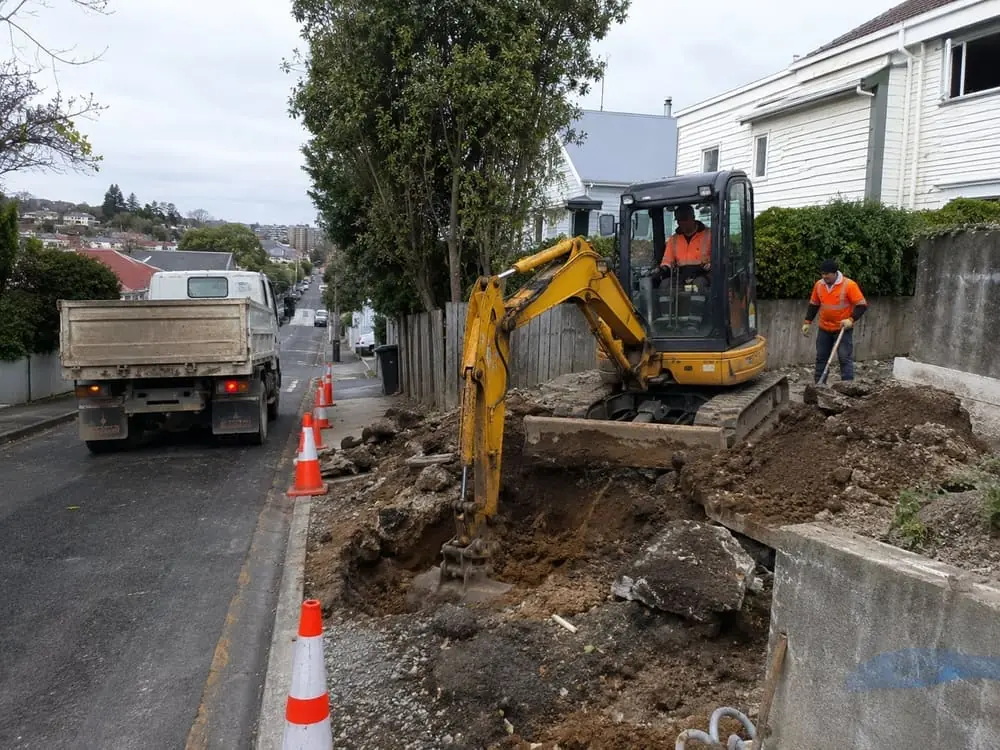
Power and fibre ducts laid at the right depth, spacing and cover.
07 8087 881Power & Telecommunications Ducting in Hamilton
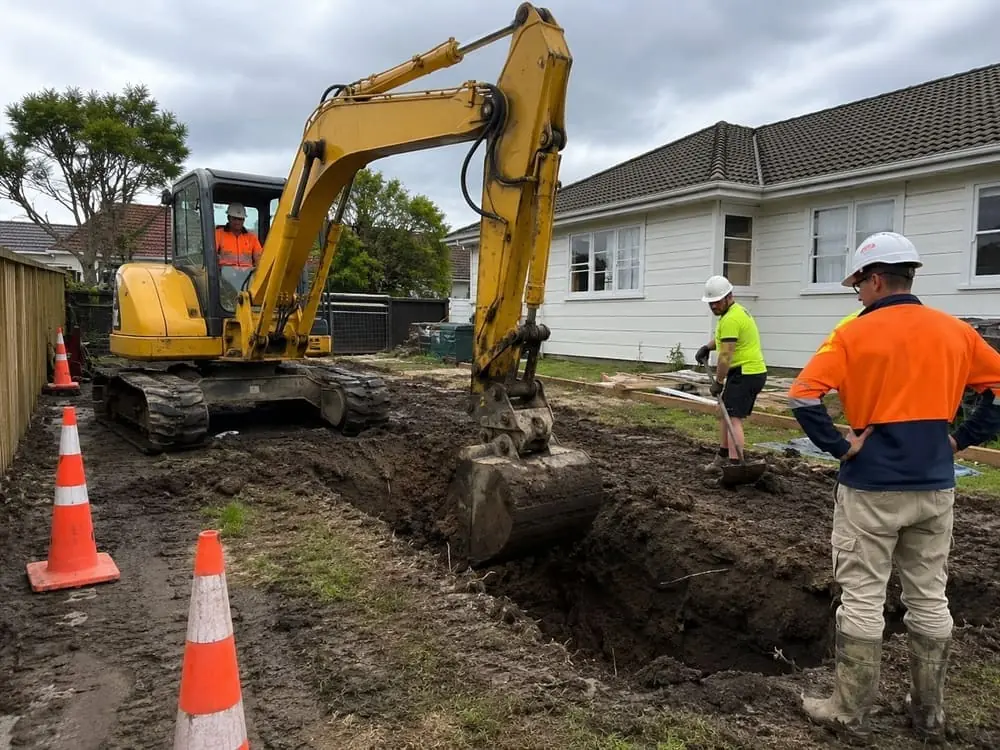
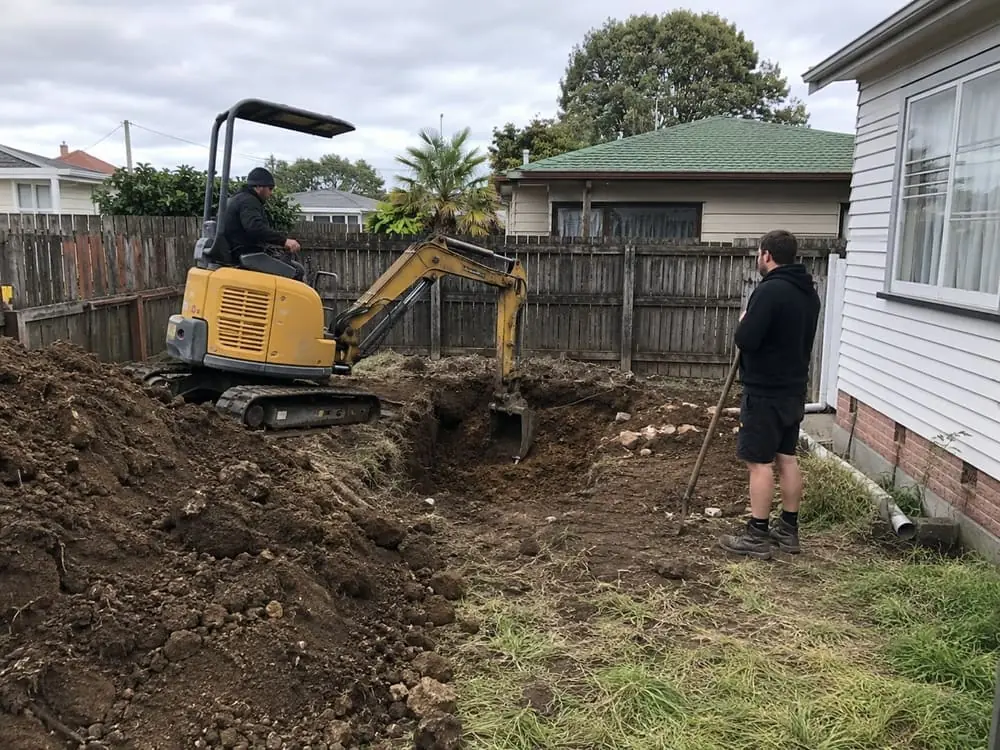
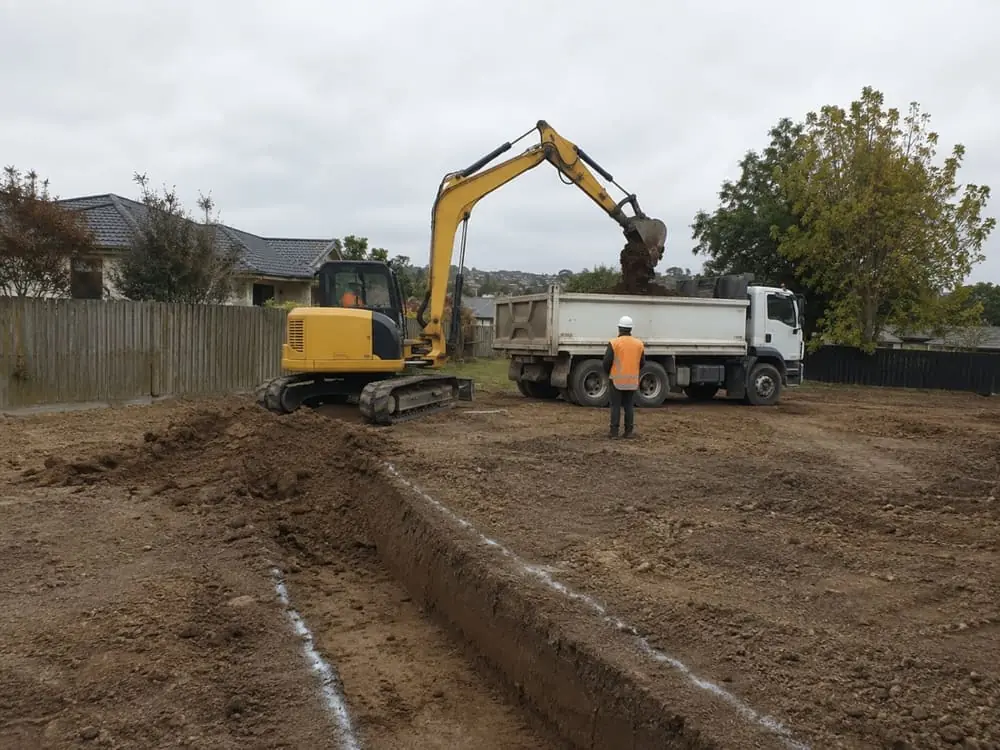
Reliable power and telecommunications infrastructure is essential for any modern residential development, requiring properly installed ducting before roading and surfacing work is completed. Our power and telecommunications ducting services in Hamilton involve trenching, duct laying and coordination with relevant utility providers, ensuring all services are correctly positioned according to engineering plans.
We work to strict depth, spacing and protection requirements, minimizing the risk of future service disruptions or excavation conflicts. Proper ducting installation is a key milestone in subdivision development, often required before other civil works can proceed. Our experienced team ensures precise, compliant installation, helping keep your development on track for successful completion and handover.
Free estimate
Power and Telco Ducting Services in Hamilton
Network owners in the Waikato have clear rules for how their ducts are laid, from cover depth and colour coding to separation from other services and bend radius. We install ducting to the approved network designs, keep trenches open for inspection where required and leave draw wires and clear records, so cables can be hauled and livened without delay.
Low Voltage Power Ducts
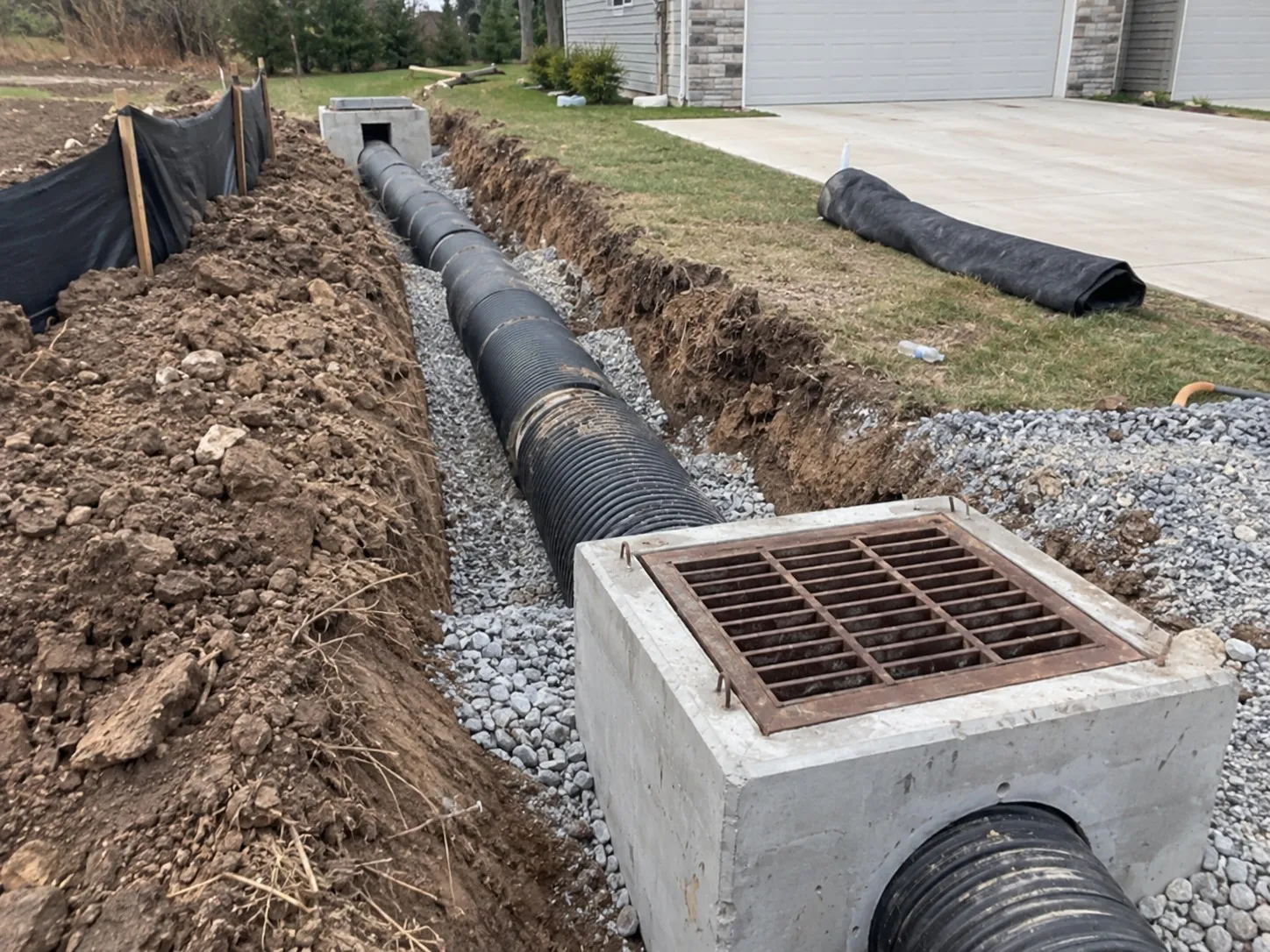
We lay low voltage reticulation ducts along the berm from transformers and pillars to each lot, following the lines company design for size, depth and route. Ducts are bedded in suitable fine material and covered with warning tape so future excavation does not disturb live cables.
High Voltage Cable Routes
Larger developments often need high voltage cable routes feeding new transformers. We excavate these deeper trenches to the network specification, provide protective cover and separation where required, and coordinate with the approved cable jointers and electrical contractors who install and liven the cables.
Fibre And Telecommunications Conduits
Fibre networks rely on continuous conduits with gentle bends and sealed joints so cable can be blown or pulled through. We lay telecommunications ducts, microducts and lead-ins to the provider specification, install draw wires and cap ends to keep dirt and water out until cabling starts.
Transformer And Pillar Bases
We prepare level, compacted bases for transformers, link boxes and service pillars at their approved positions, with duct entries set at the right height and spacing. Accurate placement means electrical crews can install equipment quickly and pillars sit neatly within the finished berm.
Road Crossings And Spare Ducts
Crossing ducts are laid beneath future carriageways and driveways before basecourse is placed, including spare ducts for future capacity where specified. Duct ends are marked with pegs and recorded, saving the cost and disruption of cutting through new pavement when additional cables are needed.
Separation From Other Services
Power and telecommunications must keep set distances from water, wastewater, stormwater and gas. We follow the combined services layout and network standards for horizontal and vertical separation, reducing interference risks and making it safer for future crews to work on any single service.
Directional Drilling Options
Where open trenching is impractical, such as under existing roads, established driveways or mature trees, directional drilling or thrusting can install ducts with minimal surface disturbance. We can arrange trenchless methods and complete the connecting trenching either side as part of one package.
Inspection And Handover
Many network owners inspect ducting before trenches are backfilled. We schedule these inspections with minimal waiting time, prove ducts clear with mandrels or draw wires where requested and supply as-builts, so the network can be accepted and cabling can proceed without holding up roading.
Benefits of Hiring Hamilton Demolition for Power and Telco Ducting
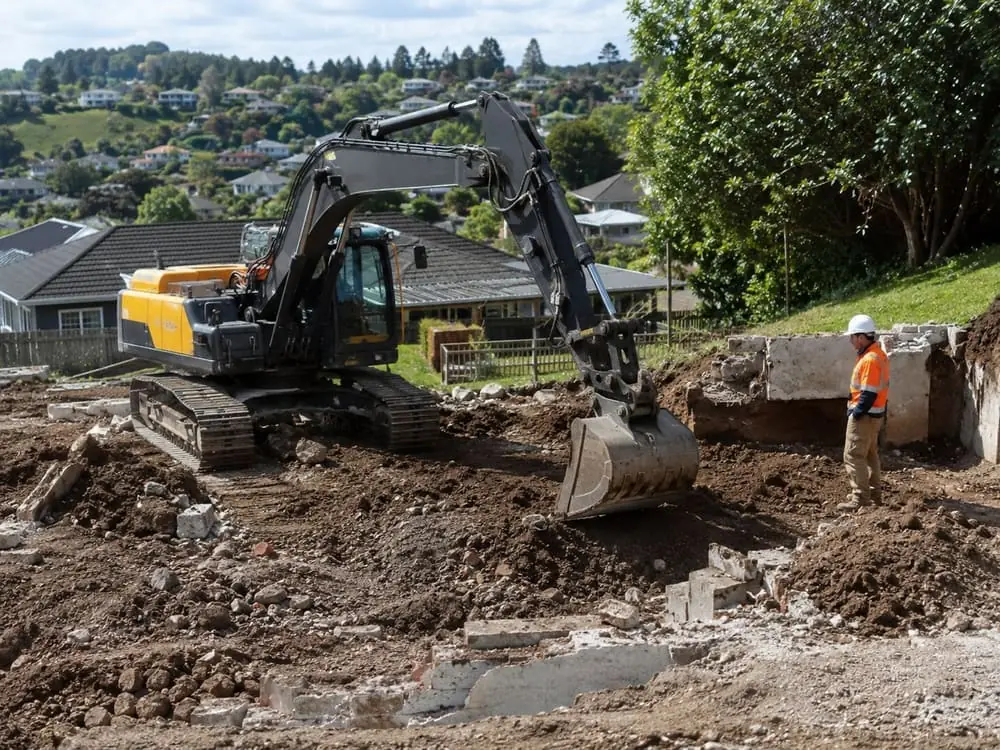
Ducting is often the last utility to go in before the roading crew arrives, which makes it the stage most easily squeezed. Our crew has usually just laid the stormwater, sewer and water mains in the same corridor, so the excavator and operator are already on site, separations are known and road crossing ducts go in before basecourse without waiting on another contractor. You also have one contact to line up network owner inspections around the rest of your Hamilton civil programme.
- Civil Works
- Stormwater Drainage
- Wastewater & Sewer
- Water Main Installation
- Underground Services
- Power & Telco Ducting You are here
- Culvert Installation
- Section 224 Completion
Hamilton Power and Telco Ducting Contractors: Our Scope
Each lines company and fibre provider sets its own duct rules, so the approved network design is settled first.
Included in the scope
- Low voltage ducts laid from pillars to each lot
- Fibre conduits and lead-ins with draw wires and capped ends
- Level, compacted bases for transformers and service pillars
- Separation from water, wastewater and stormwater kept to standard
- Trenches left open for network owner inspection where required
Confirmed separately
- Cable installation, jointing and livening by approved contractors
- High voltage cable routes for new transformers
- Directional drilling under established driveways or mature trees
- Spare ducts for future capacity beyond the design
- Mandrel proving where the network owner requests it