Culvert Installation Hamilton
Correctly sized culverts with headwalls, bedding and scour protection.
07 8087 881Culvert Installation in Hamilton
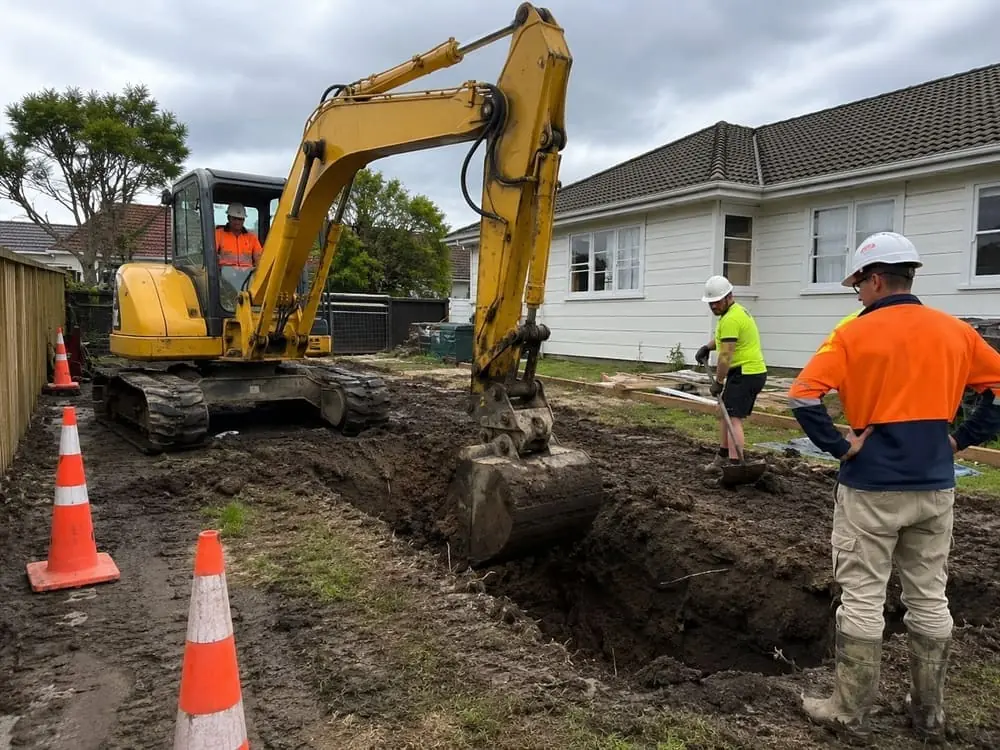
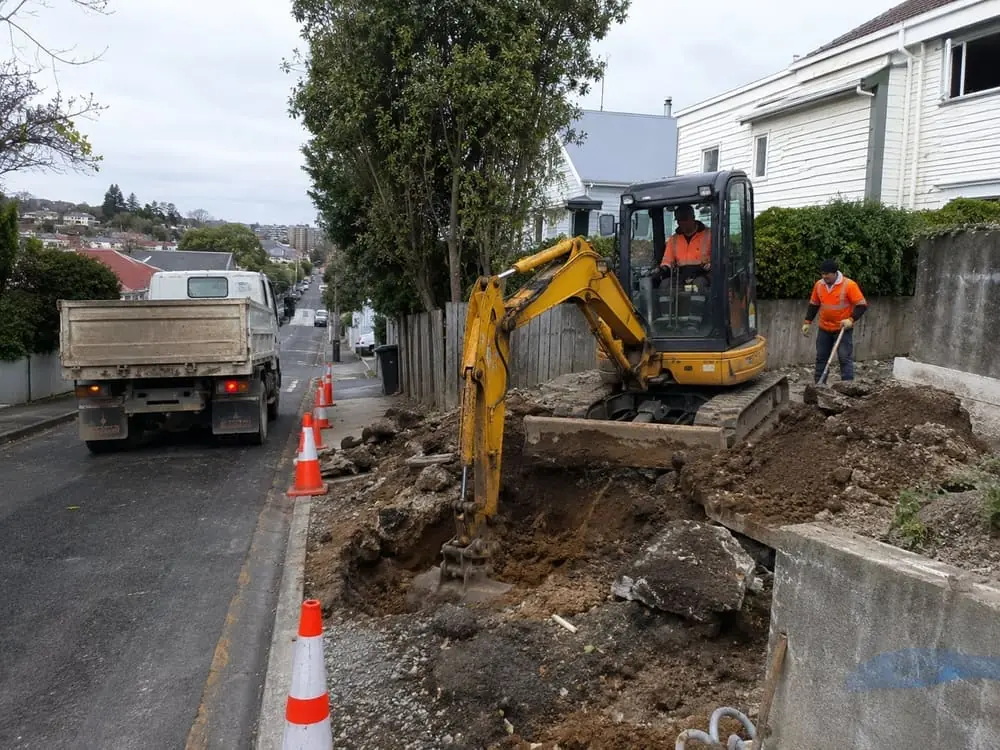
Culverts play a critical role in managing water flow beneath roads, driveways and access ways, preventing flooding and erosion across subdivision and civil works sites. Our culvert installation services in Hamilton cover sizing, placement and installation to engineering specifications, ensuring proper water flow capacity for the site's drainage requirements. We carefully assess catchment area and flow volume before installation, selecting appropriate culvert materials and dimensions to handle expected water loads.
Correct culvert installation is often required for council compliance, particularly where roads or driveways cross natural waterways or drainage channels. Our experienced team ensures every culvert is installed to proper depth, alignment and bedding standards, delivering reliable drainage infrastructure that protects roading and site stability for the long term.
Free estimate
Culvert Installation Services in Hamilton
A culvert has to carry water through a crossing without blocking, scouring or undermining the road above. We install pipe and box culverts from small driveway crossings to larger subdivision and rural road structures, managing water diversion during construction, building inlet and outlet protection and working within any consent conditions that apply to the watercourse.
Driveway And Entrance Culverts
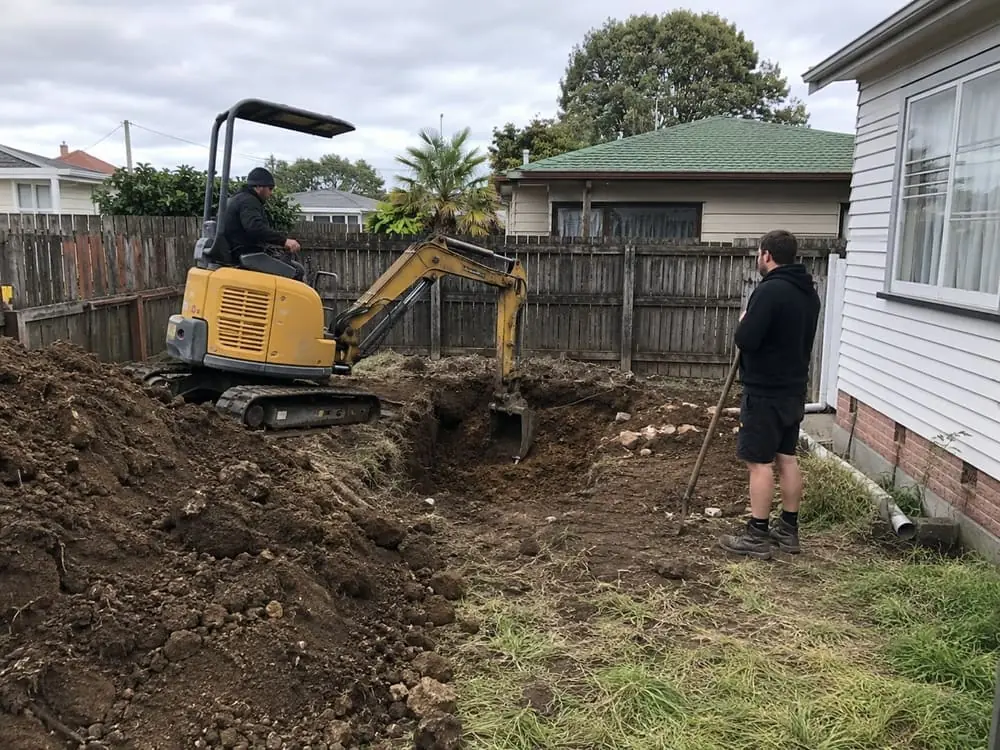
Many rural and semi-rural properties around Hamilton need a culvert where the driveway crosses the roadside drain. We install the pipe at the right invert and length, form compacted fill over it and finish the entrance to council requirements so the drain keeps flowing freely.
Road And Access Way Culverts
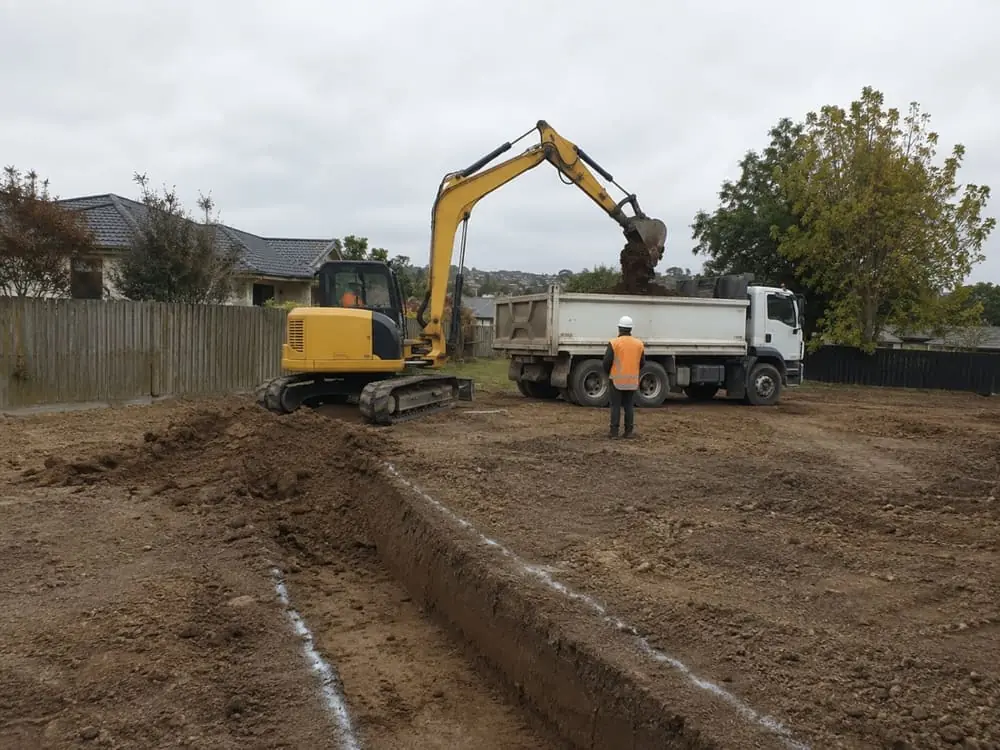
Subdivision roads and shared access ways often cross drainage channels or overland flow paths. We install culverts sized by the engineer to carry the design flow, with enough cover and compaction to support traffic loads and the pavement layers built above.
Box Culverts
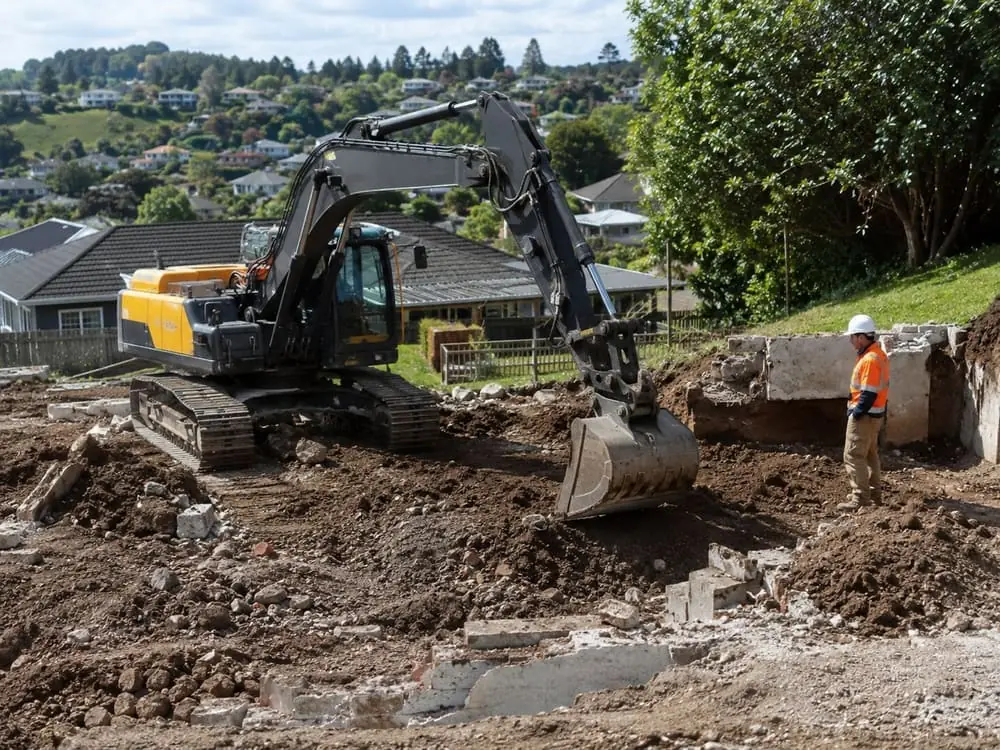
For larger flows or low cover, precast concrete box culverts provide a wide opening without raising road levels. We prepare the foundation, place units with a crane or large excavator, seal joints and backfill in layers to finish a stable, durable crossing.
Headwalls And Wingwalls
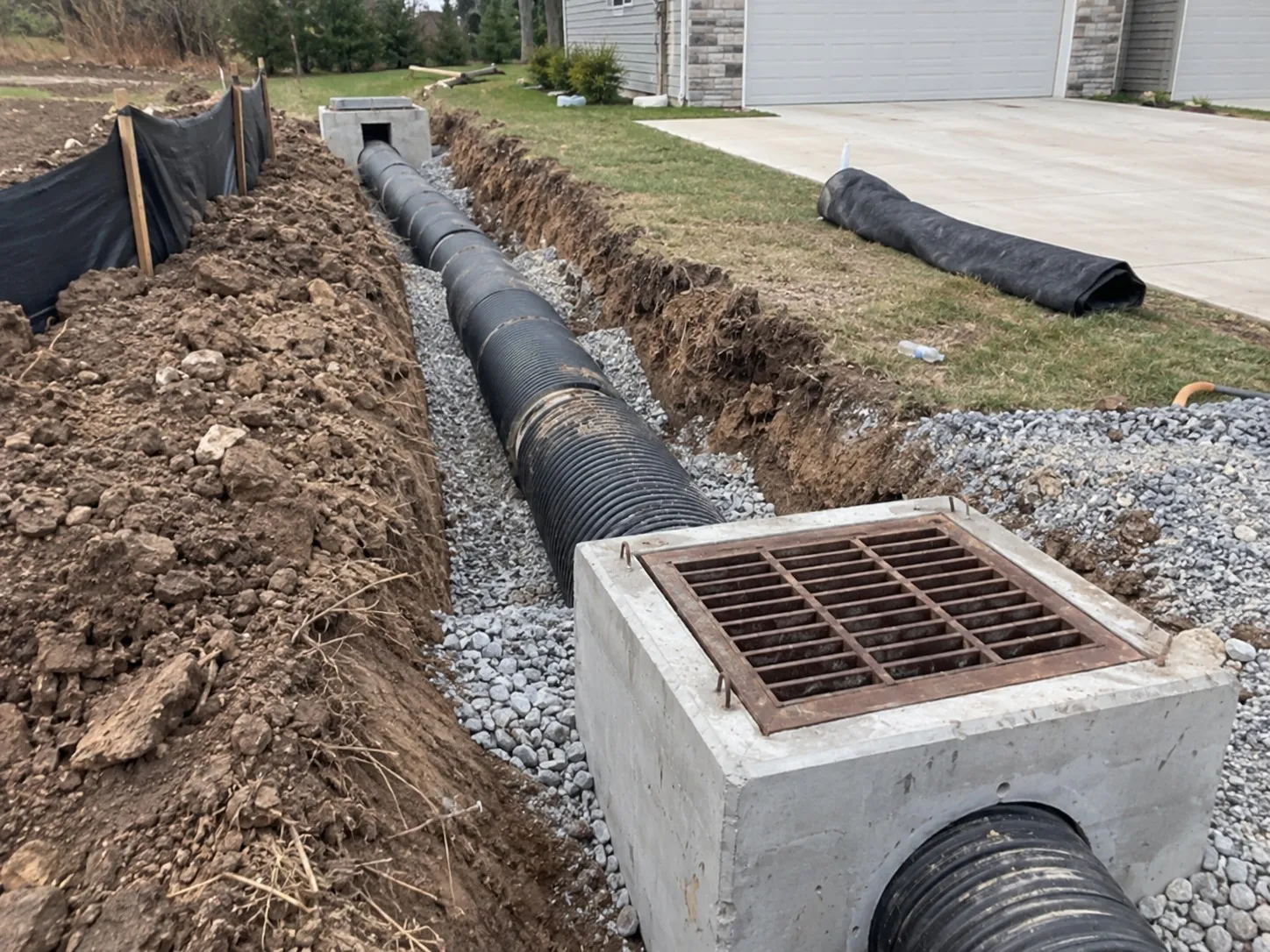
Precast or cast-in-place headwalls hold the fill in place at each end of a culvert and guide water into the pipe. Wingwalls and aprons protect the embankment, reducing erosion and keeping debris and scour from undermining the structure during high flows.
Scour And Erosion Protection
Fast water leaving a culvert can quickly erode the stream bed and banks. We place rock rip-rap, geotextile and energy dissipation at outlets as designed, protecting the channel downstream and helping meet Waikato Regional Council expectations around sediment and erosion.
Fish Passage Design
Culverts in natural waterways can block native fish movement if they are set too high or too steep. We install pipes with embedded inverts, baffles or roughened beds where the design requires it, supporting current freshwater fish passage requirements that apply to new instream structures.
Stream Diversion And Dewatering
Working in a live watercourse means managing flow during construction. We set up temporary diversions, pumping and sediment controls so the culvert can be installed in dry conditions, then reinstate the channel and remove temporary works once the crossing is complete.
Culvert Replacement And Repair
Old corroded, collapsed or undersized culverts are a common cause of flooding and road damage. We excavate and remove failed pipes, upgrade to the correct size and material, and rebuild the embankment and road surface so the crossing is safe and dependable again.

Why Pair Culvert Installation With the Rest of Your Civil Works
A culvert is often where the piped network meets an open drain or stream, so it has to match the stormwater levels on either side. When we are already laying the stormwater and carrying out the earthworks for the road or access way above, the culvert, headwalls and outlet protection are built by the same crew and machines rather than scheduled around a separate contractor. The crossing, its stream diversion and sediment controls also stay under one plan, which suits the consent conditions common across the Waikato.
- Civil Works
- Stormwater Drainage
- Wastewater & Sewer
- Water Main Installation
- Underground Services
- Power & Telco Ducting
- Culvert Installation You are here
- Section 224 Completion
Hamilton Culvert Installation Contractors: Our Scope
A culvert has to carry the design flow, so pipe size and any consent conditions on the watercourse are settled first.
Included in the scope
- Pipe or box culvert set at the correct invert
- Bedding and compacted backfill to carry traffic loads
- Headwalls or wingwalls at each end of the crossing
- Rock rip-rap and geotextile at the outlet as designed
- Entrance fill finished to council requirements for driveway crossings
Confirmed separately
- Resource consent or road controlling authority approval where required
- Engineer's flow calculations for subdivision and road culverts
- Stream diversion and dewatering for live watercourses
- Fish passage baffles or embedded inverts where specified
- Removal of failed pipes and road reinstatement for replacements