Erosion Control Hamilton
Practical sediment controls that keep earthworks sites compliant in all weather.
07 8087 881Erosion & Sediment Control in Hamilton
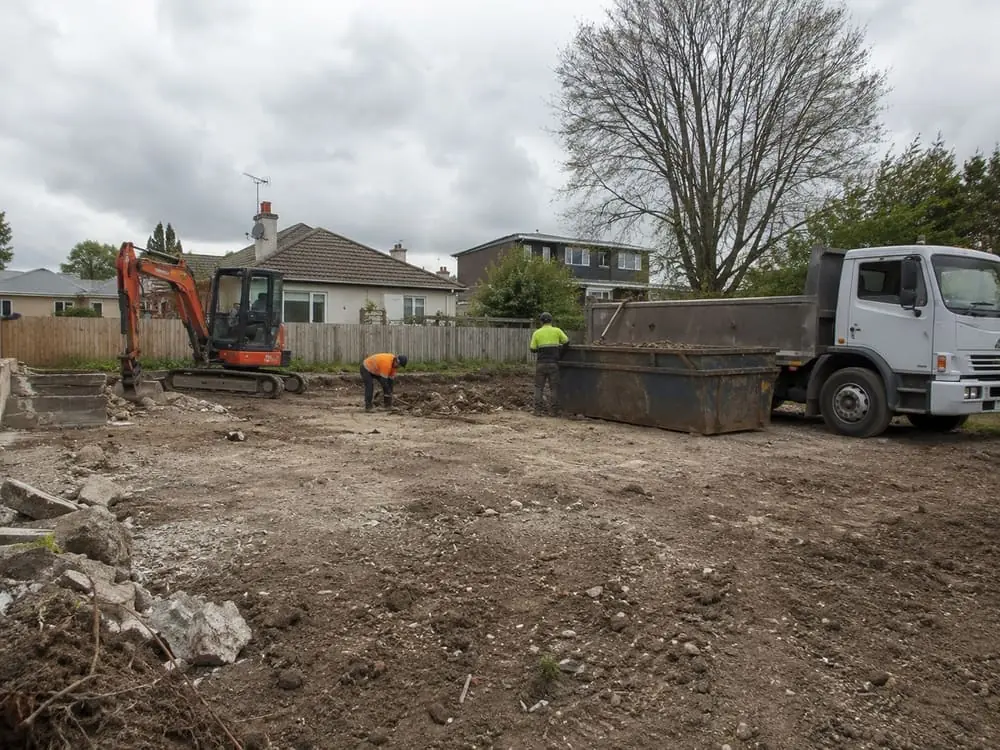
Managing erosion and sediment runoff is a critical requirement on any earthworks or subdivision site, protecting waterways and meeting council environmental compliance standards. Our erosion and sediment control services in Hamilton include silt fencing, sediment ponds, stabilized entry points and other control measures designed to prevent soil runoff during construction.
We assess site conditions and drainage patterns to implement the right combination of controls, ensuring compliance with regional council requirements throughout every project stage. Poor erosion control can lead to costly fines, project delays or damage to neighbouring properties and waterways. Our experienced team manages these controls proactively, adjusting measures as work progresses to maintain compliance and protect the surrounding environment for the duration of the project.
Free estimate
Erosion and Sediment Control Services in Hamilton
Every site drains differently, so we build controls around your approved erosion and sediment control plan and the way water actually moves across the land. Controls go in before bulk earthworks start, are checked after rain and are adjusted as cut and fill changes the contours. When the site is stabilised, we remove them tidily and reinstate the ground.
Silt Fence Installation
We trench in geotextile silt fences along contours and downslope boundaries, with returns at the ends so water cannot simply run around them. Fences are properly staked and keyed into the ground, then inspected and repaired after heavy rain so they keep trapping sediment rather than slumping or undermining.
Sediment Retention Ponds
For larger subdivision and bulk earthworks catchments, we construct sediment retention ponds sized to the design, with compacted embankments, forebays, spillways and floating decant outlets. Ponds are built early in the programme, before the upstream catchment is opened, and cleaned out when sediment builds up to the marked level.
Decanting Earth Bunds
On smaller catchments where a full pond is not needed, decanting earth bunds hold back dirty water long enough for sediment to settle. We form and compact the bund, install the decant and outlet protection, and position it so runoff from exposed areas is directed into it by cut-off drains.
Stabilised Construction Entrances
Trucks leaving an earthworks site can quickly track mud onto public roads. We build stabilised entrances from geotextile and coarse aggregate, sized for the vehicles using them, and top them up as they clog. This keeps Hamilton streets and kerbs cleaner and reduces the risk of complaints and council follow-up.
Clean And Dirty Water Diversions
Keeping clean runoff away from bare soil is one of the most effective controls. We cut diversion channels and bunds that carry clean water from upslope land around the works, while dirty water from exposed areas is captured and directed to ponds or bunds for treatment before discharge.
Inlet And Outlet Protection
Existing stormwater sumps, culvert inlets and channel outlets on or near the site need protecting from sediment and scour. We install sump protection, rock rip-rap and energy dissipation at outlets, reducing erosion where water leaves the site and stopping silt from entering the council stormwater network.
Progressive Stabilisation
The less soil left exposed, the less sediment leaves the site. We stage earthworks so finished areas are stabilised quickly with topsoil and grass, hydroseed, mulch or aggregate, and we cover stockpiles and batters that will sit for a while. This is particularly important ahead of a wet Waikato winter.
Monitoring And Maintenance
Controls only work if they are maintained. We inspect measures regularly and after significant rainfall, clean out ponds and bunds, repair fences and keep simple records of what was checked and fixed. That documentation helps show council monitoring officers that the site is being managed responsibly throughout the job.
Benefits of Sediment Control Run by Your Earthworks Crew
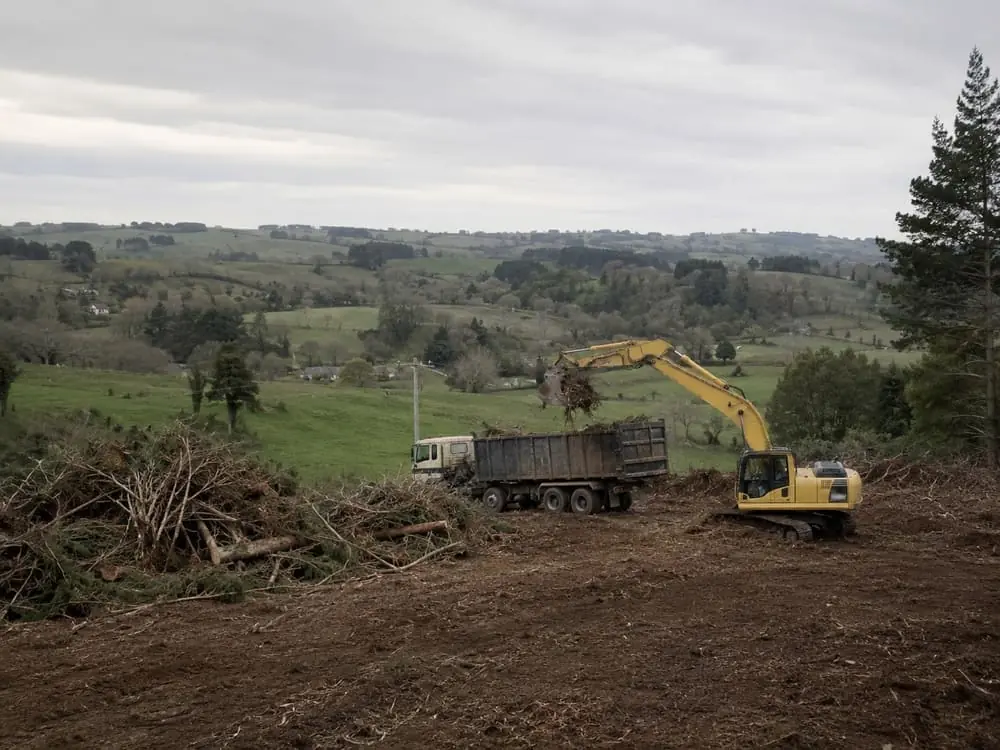
Sediment controls work best when the people installing them also control the digging. As bulk excavation and cut and fill change the contours, our crew moves bunds, extends silt fences and redirects clean water as part of the day's earthworks, rather than waiting for a separate environmental contractor. The same team knows where topsoil stockpiles sit and when each area is due for stabilisation, and you have one contact to talk to if Waikato Regional Council or your engineer raises a question about the site.
- Earthmoving
- Digging & Excavations
- Land Development
- Bulk Excavation
- Grading & Levelling
- Cut and Fill
- Erosion & Sediment Control You are here
- Topsoil Stripping
- Engineering Earthworks
Hamilton Erosion and Sediment Control Contractors: Our Scope
Controls are built around the approved plan and how water moves across the land, so catchments and discharge points come first.
Included in the scope
- Silt fences trenched in along contours with end returns
- Stabilised construction entrances built from geotextile and aggregate
- Clean water diverted around the works by channels and bunds
- Controls inspected and repaired after heavy rain
- Controls removed and ground reinstated once the site stabilises
Confirmed separately
- Erosion and sediment control plan design by your engineer
- Sediment retention ponds where the catchment is too large for bunds
- Hydroseeding or mulch where bare areas sit through winter
- Plan amendments and approval when site conditions change
- Council consent fees and any conditions they set