Stormwater Drainage Hamilton
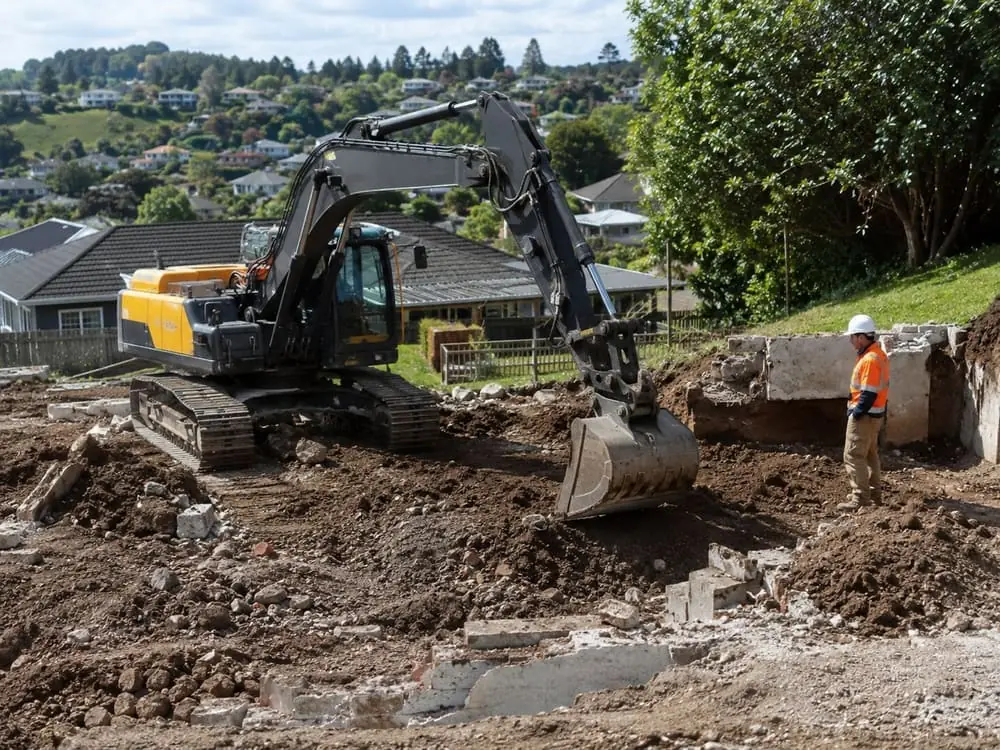
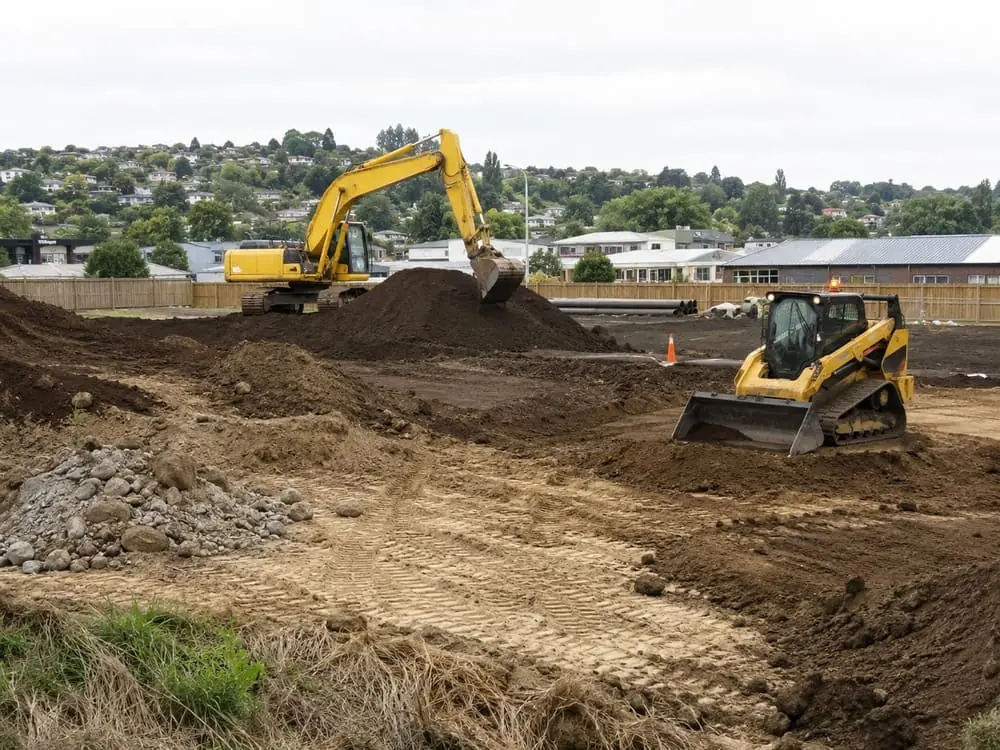
Stormwater pipes, manholes and connections built to council engineering standards.
07 8087 881Stormwater Drainage Installation in Hamilton
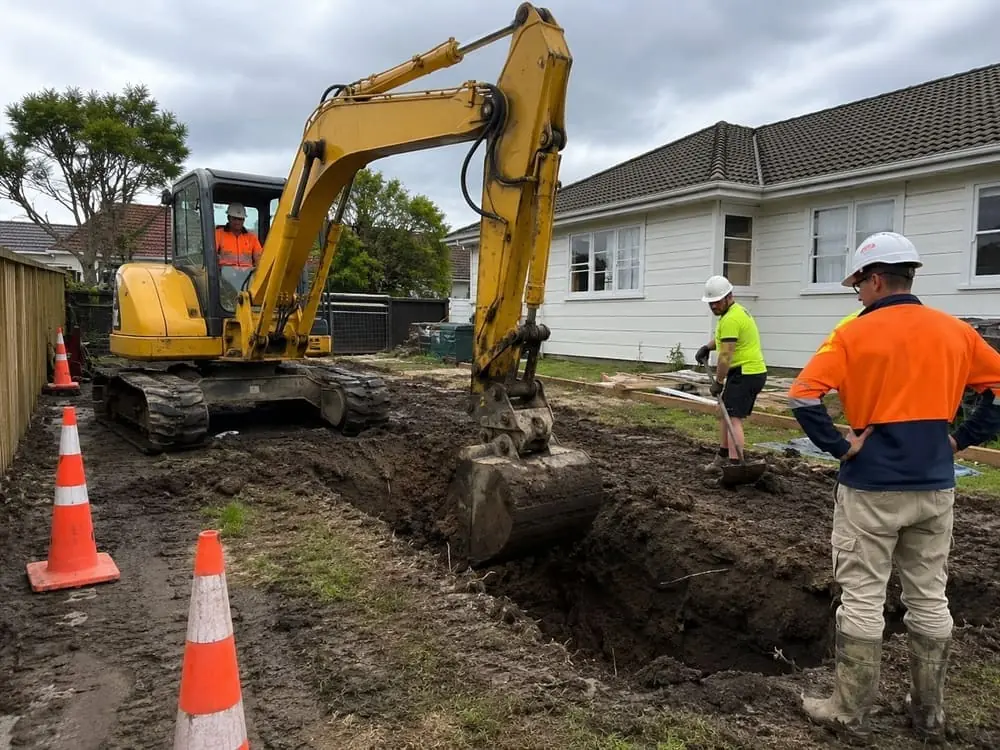
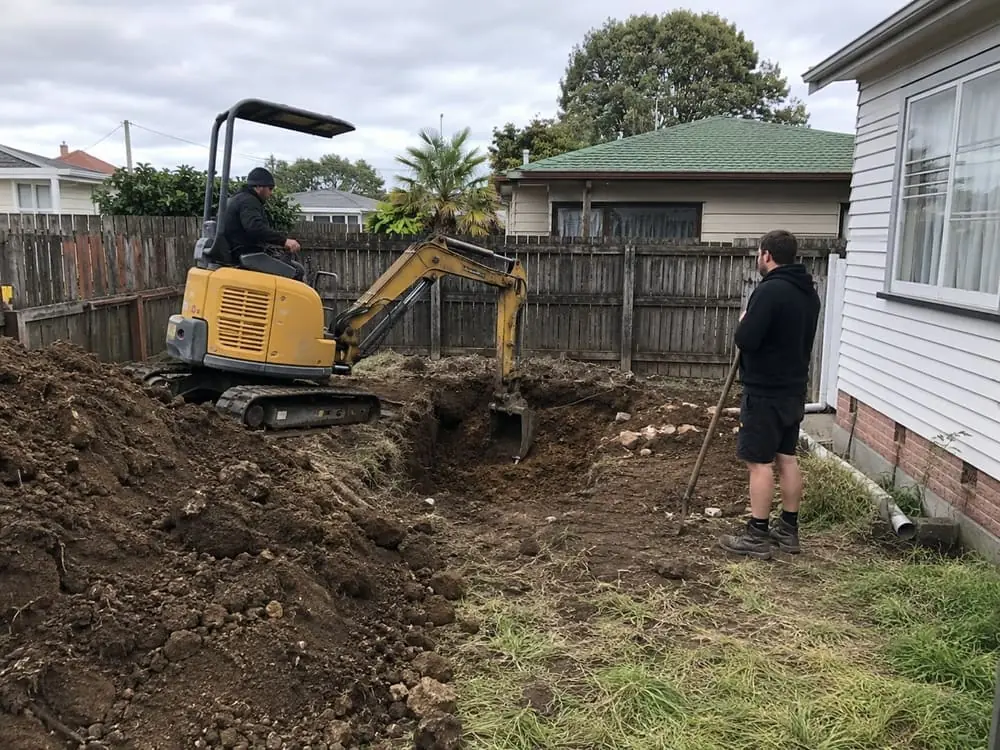
Effective stormwater management is essential for any subdivision or civil works project, preventing flooding, erosion and long-term water damage. Our stormwater drainage installation services in Hamilton cover pipe laying, manhole installation and connection to council stormwater networks, all built to engineering specifications.
We carefully plan drainage layout based on site conditions, ensuring water is properly captured and directed away from roads, building platforms and neighbouring properties. Correct stormwater installation is a key requirement for subdivision consent approval, making compliance and precision essential throughout the process. Our experienced team works closely with engineers and council requirements, delivering reliable drainage infrastructure that protects the development for years to come.
Free estimate
Stormwater Drainage Services in Hamilton
We build the complete stormwater network for a development, from the kerbside sumps that collect road runoff to the outlet structure where water leaves the site. Work is carried out to your engineer-approved drawings and the Regional Infrastructure Technical Specifications used by Hamilton City Council and neighbouring Waikato councils, with testing and as-built information supplied for asset handover.
Trunk Mains And Pipe Laying
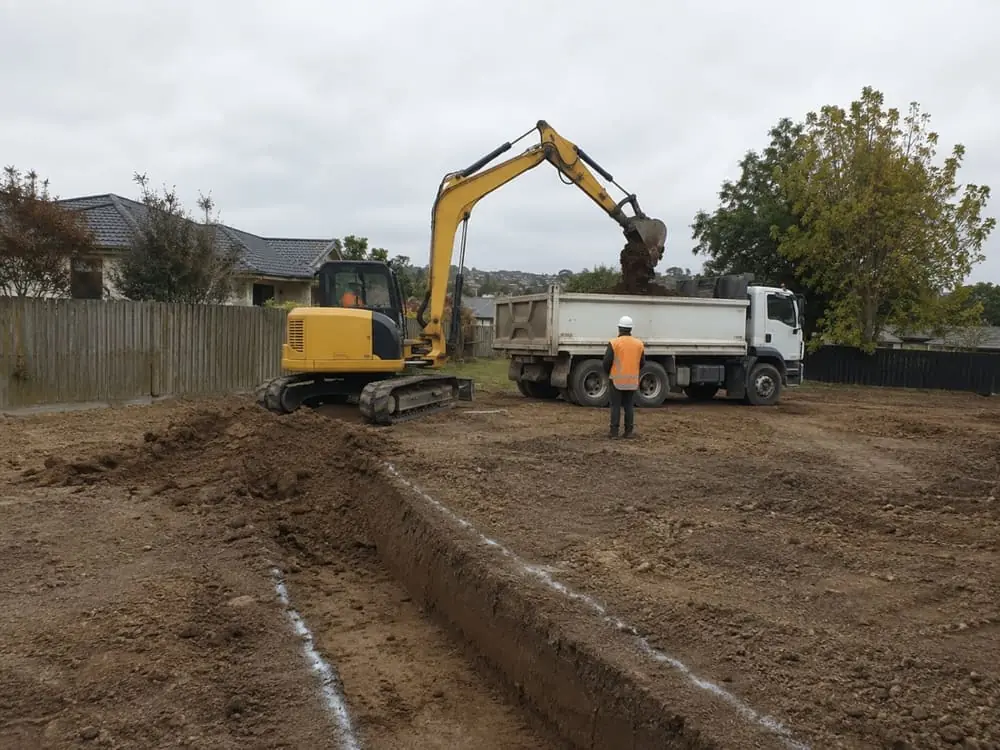
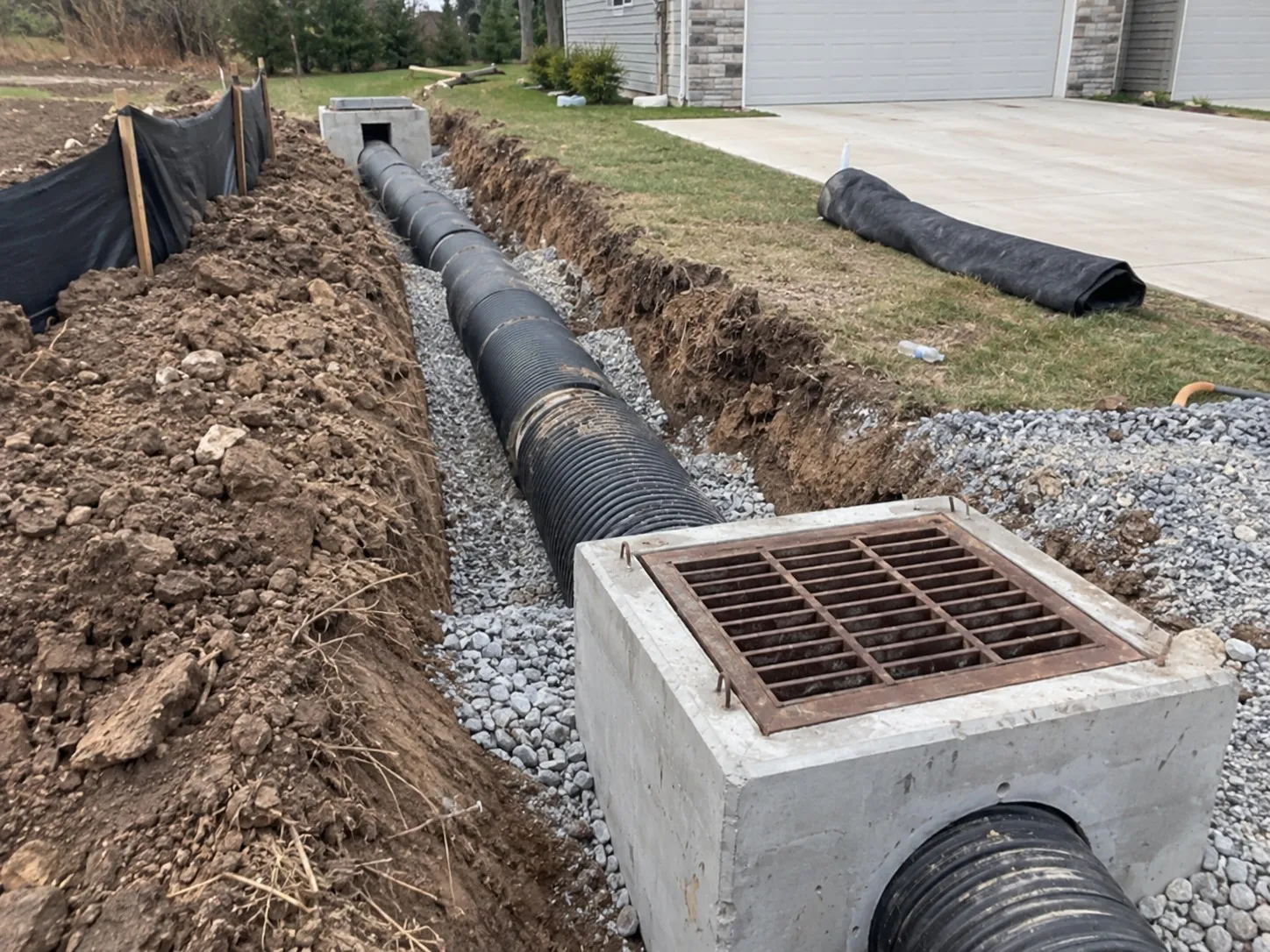
We excavate and lay stormwater mains in concrete, PVC or polyethylene pipe to the designed grade and cover. Bedding, haunching and backfill are placed and compacted in layers to specification, so pipes stay on line and level under future road loads and the trench does not settle beneath new seal or footpaths.
Manholes And Access Chambers
Precast manholes are set at changes of direction, grade and junctions, with correct benching, step irons or ladders where specified and lids finished to final surface level. Accurate invert levels at each chamber keep flows moving smoothly and give council maintenance crews safe, reliable access to the network for decades.
Sumps And Road Catchpits
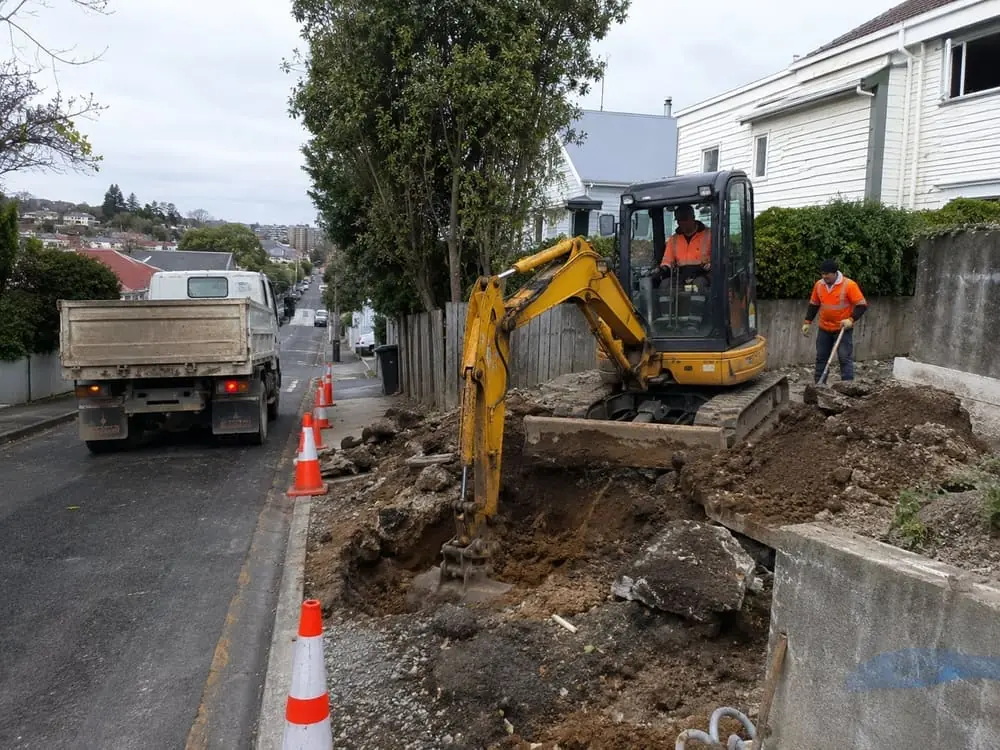
Kerbside sumps and catchpits capture runoff from roads, shared accessways and hardstands. We install them in step with the kerb and channel crew, connect leads to the main at the right fall and set gratings flush with the channel so water enters freely without creating trip or cycle hazards.
Lot Connections
Each new lot needs its own stormwater connection, left capped and marked at the boundary ready for the future house drainage. We lay laterals at the depth and position shown on the plans, record them for the as-builts and make sure builders can find and use them without guesswork.
Outlets And Headwalls
Where the network discharges to a stream, gully or pond, we build outlet headwalls, wingwalls and rock rip-rap aprons that slow water and protect the bank. These structures are often subject to Waikato Regional Council consent conditions, so we follow the approved design closely to limit scour and erosion.
Detention And Treatment Devices
Many Hamilton developments must manage peak flows and water quality before discharge. We excavate and form detention ponds, wetlands, swales and rain gardens, and install proprietary treatment devices or underground storage tanks, shaping levels and outlets so each device performs the way the stormwater management plan intends.
Overland Flow Paths
Pipes cannot carry every storm, so secondary overland flow paths are designed to route extreme rainfall safely past homes. We shape these paths through reserves, roads and lot boundaries to the engineered levels, protecting building platforms and neighbouring properties when the piped network reaches capacity.
Testing, CCTV And As-Builts
Before council takes over new assets, pipes are usually cleaned and inspected by CCTV to confirm they are free of defects, debris and dips. We coordinate this testing, fix any issues found and provide accurate as-built information so the stormwater network can be accepted without delaying your completion.
Benefits of Hiring Hamilton Demolition for Stormwater Drainage
Stormwater is usually the first network to go into a new subdivision, and its levels shape everything laid after it. Because our crew also installs the sewer, water mains and service ducts, we can plan crossings and separations for the whole corridor before the first pipe goes down. The machines that dig your stormwater trench can also form culverts and outlets, and when Section 224 inspections come around you deal with one contact who knows where every lateral sits.
- Civil Works
- Stormwater Drainage You are here
- Wastewater & Sewer
- Water Main Installation
- Underground Services
- Power & Telco Ducting
- Culvert Installation
- Section 224 Completion
Hamilton Stormwater Drainage Contractors: Our Scope
A stormwater network is only as good as its grades, so the approved engineering drawings are the first thing this scope settles.
Included in the scope
- Stormwater mains laid and bedded to the designed grade
- Precast manholes set with benching and lids at finished level
- Kerbside sumps and catchpits connected to the main
- Capped and marked lot connections at each boundary
- As-built information supplied for council asset handover
Confirmed separately
- Council approval and inspection for live network tie-ins
- CCTV inspection where carried out by a specialist
- Undercut and imported bedding where soft peat or clay is found
- Shoring and dewatering for deep or wet trenches
- Detention ponds, wetlands or treatment devices where the plan requires