Cut and Fill Hamilton
Balanced cut and fill, engineered fill and compaction for sloping sites.
07 8087 881Cut And Fill Earthworks In Hamilton
Building on a sloping or uneven site usually means reshaping the ground, taking earth from high areas and placing it where the land dips. Our cut and fill services in Hamilton and the Waikato cover homes, subdivisions and commercial sites. We work from your engineer's design to balance volumes wherever possible, which reduces cartage, cuts disposal costs and makes better use of the material already on your property. The result is a stable, level platform ready for building.
Fill is only as good as the way it is placed. We place material in controlled layers at the right moisture content and compact each one with suitable rollers or plate compactors, then arrange testing so your geotechnical engineer can certify the work. Where cut faces or fill batters are too steep to stand on their own, we can build retaining walls. We also handle bulk excavation, grading and site clearing, so your sloping site can be prepared by one experienced team.
Free estimate
Cut and Fill Services in Hamilton
Cut and fill work sits at the heart of most earthworks projects. Done well, it creates solid, level ground that performs for decades. Our service covers design interpretation, volume balancing, fill placement, compaction and testing, with attention to stormwater and batter stability throughout, so your building platform or subdivision lot meets engineering requirements and passes certification.
Volume Balancing
We review the earthworks design and plan the job so cut material is reused as fill where it is suitable. Balancing volumes on site means fewer trucks on the road, lower disposal and import costs, and a faster programme. Any surplus or shortfall is identified early so there are no surprises.
Engineered Fill Placement
Engineered fill is placed in thin, even layers and compacted to the density specified by your geotechnical engineer. We control moisture content, remove organic or soft material and keep records of fill areas, so the finished ground can be certified as suitable for building foundations and future loads.
Compaction Testing
We coordinate with independent testing technicians who check compaction using nuclear densometers, Scala penetrometers or shear vanes as specified. Testing is carried out at agreed intervals as the fill rises, and any areas that fall short are reworked straight away, ensuring the platform meets the engineering standard before sign-off.
Sloping Site Platforms
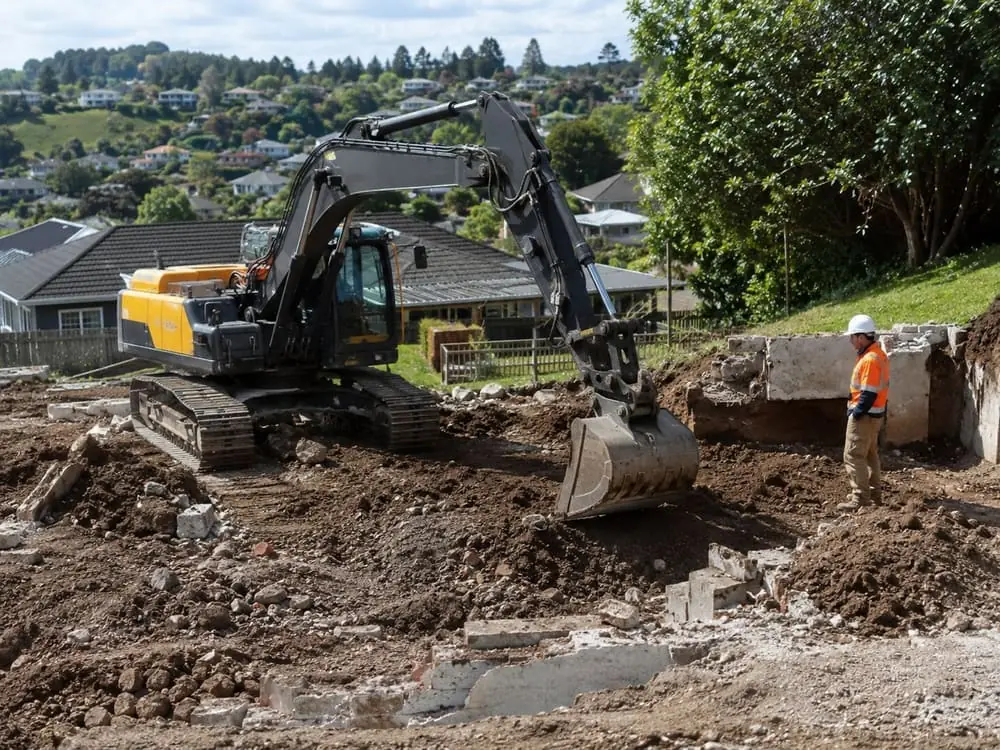
Hillside and sloping sections around Hamilton and the Waikato often need a mix of cutting into the bank and building up the low side. We form stable, level house platforms, driveways and outdoor areas, shaping batters to safe angles and managing stormwater so slopes are protected from scouring.
Undercut And Replacement
Where investigations reveal peat, soft clay or uncontrolled old fill, we excavate the unsuitable material and replace it with compacted hardfill or approved engineered fill. This common Hamilton technique creates a reliable foundation on ground that would otherwise be prone to settlement or uneven movement over time.
Batters And Retaining
Cut faces and fill slopes must be stable once earthworks finish. We trim batters to the angles set by your engineer, topsoil and grass them to control erosion, or construct retaining walls where space is limited. Proper drainage behind walls and at the toe of slopes keeps everything secure.
Stockpile Management
Cut material often has to sit on site before it goes back in as fill. We place stockpiles away from boundaries, drains and working areas, shape and cover them to shed water, and keep topsoil separate from subsoil. Well-managed stockpiles stay usable, reduce sediment runoff and avoid double handling later in the job.
Subsoil Drainage Under Fill
Fill placed over wet ground or springs can soften and settle if water has nowhere to go. Where your engineer calls for it, we install subsoil drains, drainage blankets or filter fabric before filling begins, carrying groundwater safely away and helping the finished platform stay firm through wet Waikato winters.
Advantages of One Contractor for Cut and Fill Earthworks
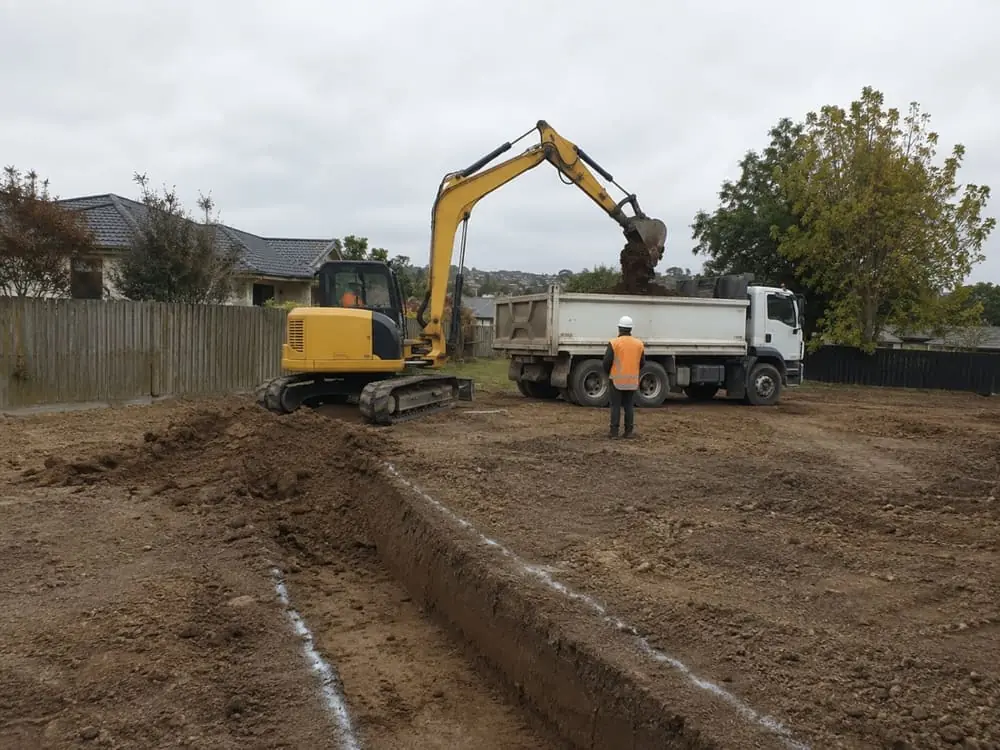
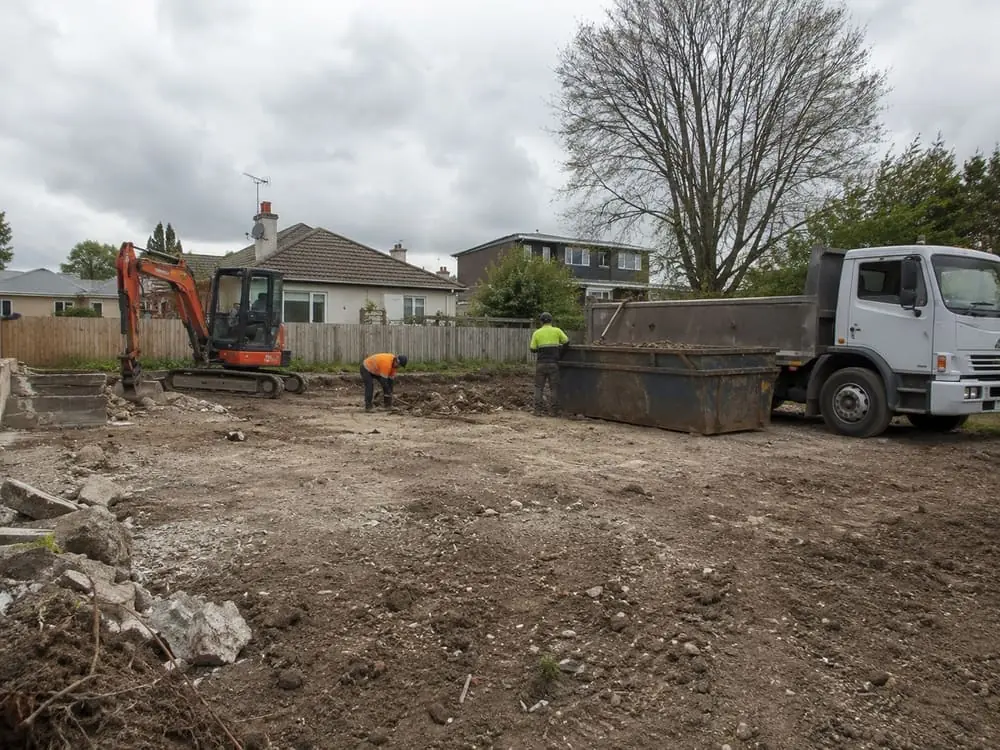
Cut and fill ties several earthworks stages together, so it makes sense for one team to own them. We strip and stockpile the topsoil first, set up sediment controls for the exposed faces, then move material from the high side to the low side with the same machines. Surplus spoil can be carted without calling in a separate trucking firm, testing is arranged by the crew placing the fill, and final grading follows straight on, so the platform is finished by the people who built it.
Hamilton Cut and Fill Contractors: Our Scope
Sloping sites are shaped from the engineer's design, so volume balance and fill specification are settled before any cutting begins.
Included in the scope
- Cut material reused as fill wherever it is suitable
- Fill placed in thin layers at the right moisture
- Each layer compacted with rollers or plate compactors
- Batters trimmed to the angles your engineer sets
- Topsoil kept separate from subsoil in managed stockpiles
Confirmed separately
- Geotechnical design, observation and certification of engineered fill
- Imported hardfill where cut and fill do not balance
- Undercut and replacement of peat or uncontrolled old fill
- Retaining walls where batters are too steep to stand
- Subsoil drains or filter fabric where springs are found