Land Clearing Hamilton
Clearing trees, scrub and stumps from rural, lifestyle and development land.
07 8087 881Land Clearing Contractors In Hamilton
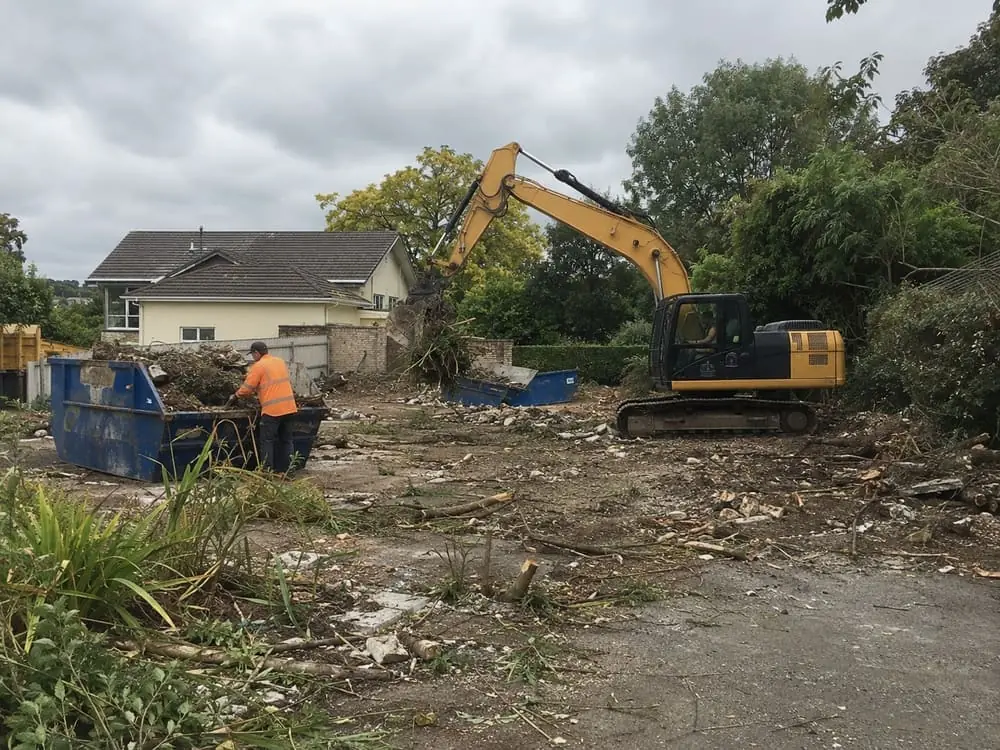
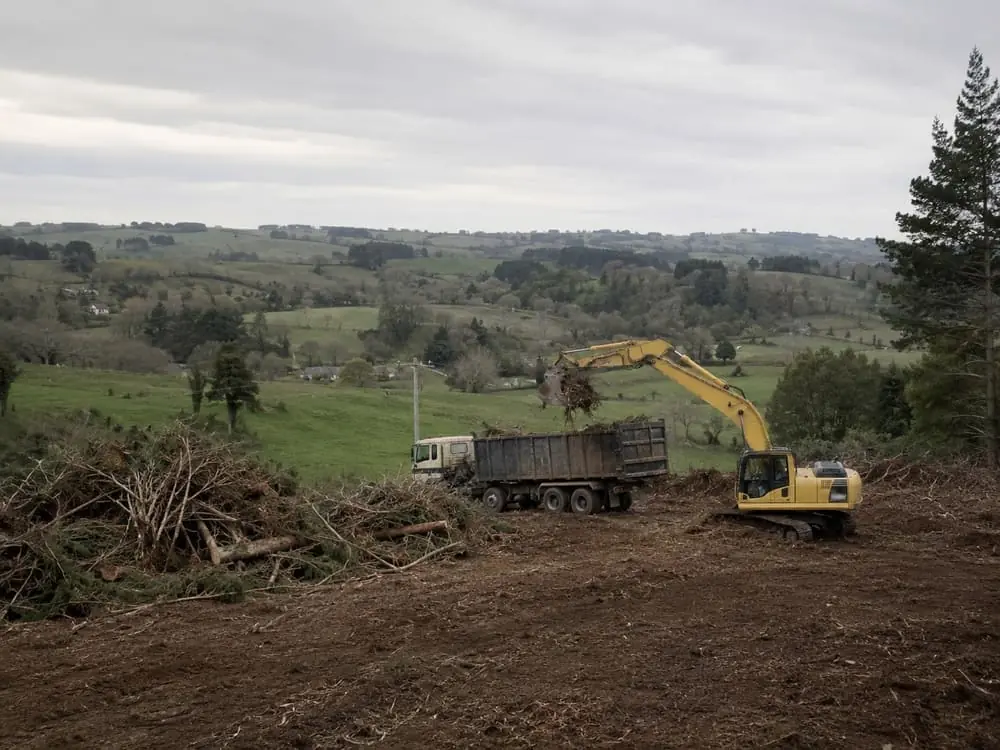
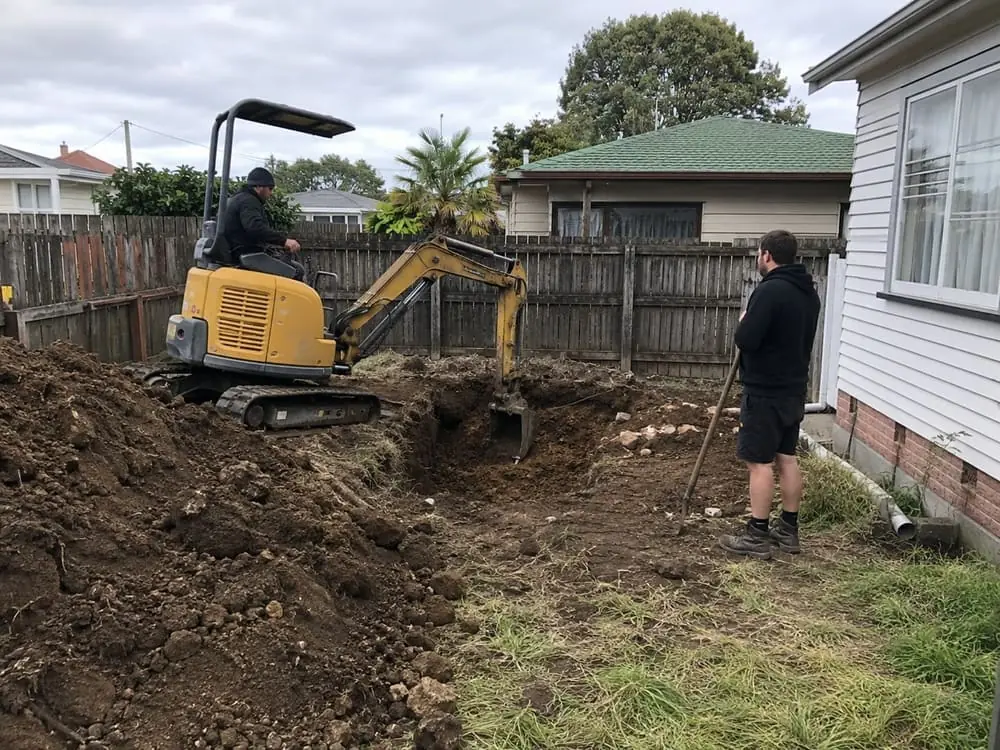
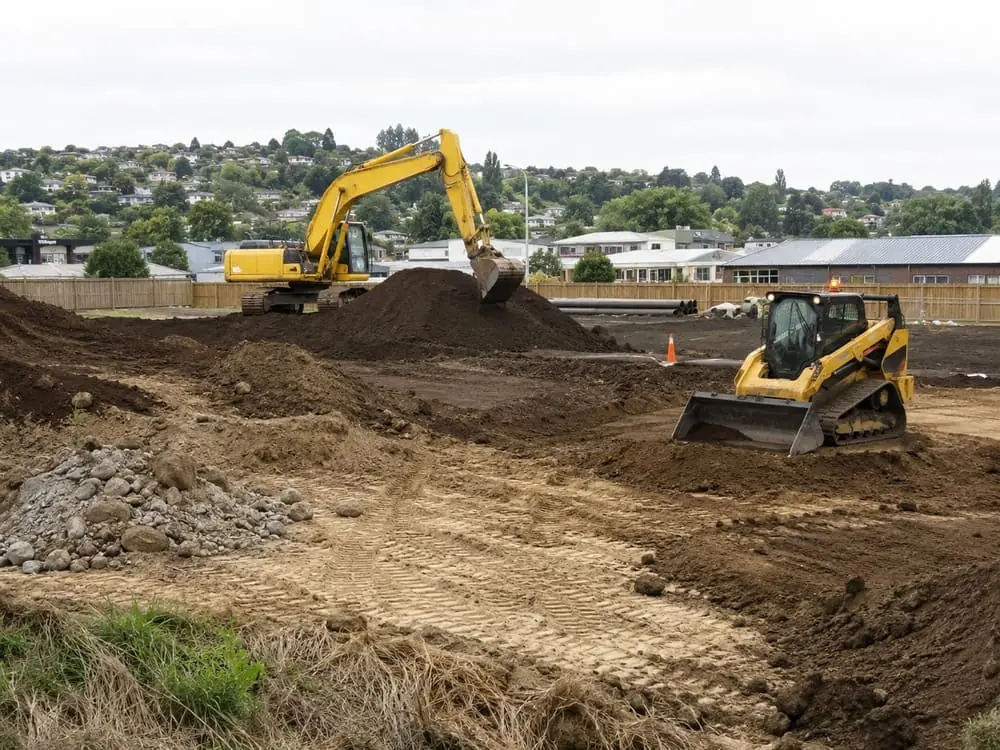
Overgrown land is hard to use, hard to sell and hard to build on. Our land clearing services in Hamilton and the Waikato remove trees, scrub, gorse, blackberry, stumps and rough vegetation from lifestyle blocks, farmland and development sites. Our excavators fitted with root rakes, grapples and mulching attachments make short work of dense growth, opening up paddocks, fence lines, building sites and access tracks. Unlike general site clearing on urban sections, land clearing focuses on larger areas where vegetation is the main obstacle.
We clear land with the next stage in mind. Stumps and root balls are pulled out rather than left to rot and settle, so the ground is ready for cultivation, grassing or earthworks. Vegetation is stacked, mulched or carted away depending on your preference and site rules. We keep topsoil on site wherever possible and take care around waterways, boundaries and trees you want to keep. Once the land is open, we can move straight into grading, cut and fill or full land development.
Free estimate
Land Clearing Services in Hamilton
Whether you are bringing a neglected lifestyle block back into use, preparing farmland for a new subdivision or opening up an overgrown gully, the right equipment makes a big difference. Our land clearing service combines experienced operators with purpose-built attachments to remove vegetation efficiently, protect the soil and leave your property tidy, safe and ready for what's next.
Tree And Shelterbelt Removal
We remove unwanted trees, old pine and macrocarpa shelterbelts and wind-thrown timber from rural properties. Trees are felled or pushed and processed safely, with usable logs set aside for firewood if you wish. Large root plates are extracted and holes backfilled so paddocks can be restored and worked again.
Scrub And Gorse Clearing
Gorse, blackberry, broom and regrowth scrub can take over Waikato paddocks quickly. We clear dense scrub with root rakes and grapples, lifting roots to slow regrowth and gathering material into heaps or windrows. The result is open, usable land ready for spraying, cultivation, regrassing or fencing.
Stump Extraction
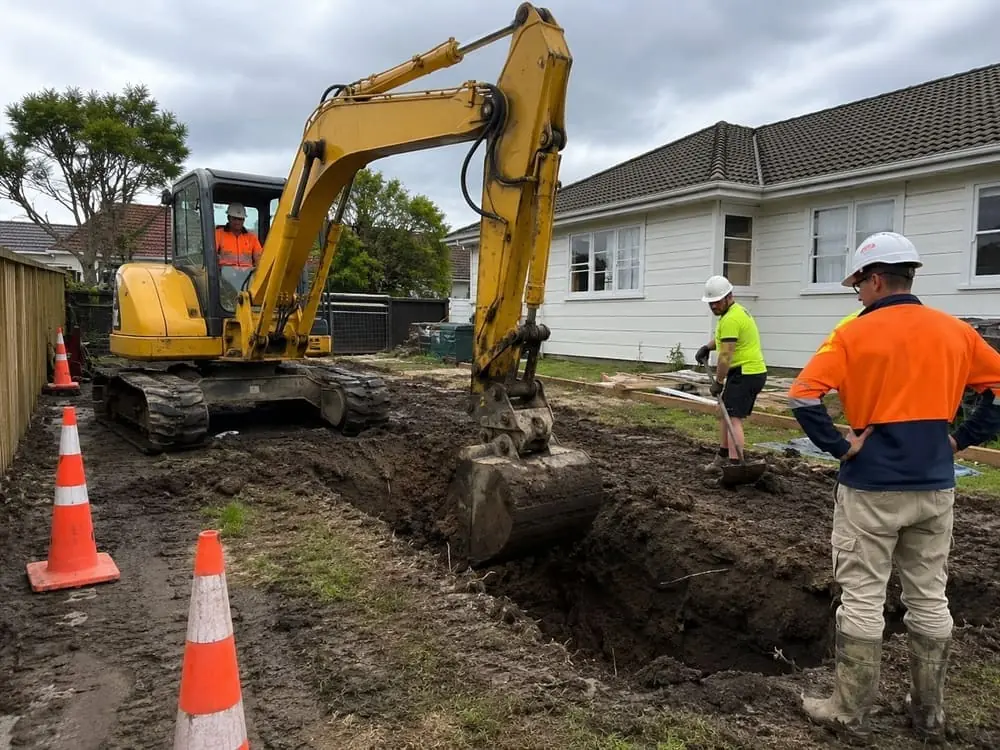
Leftover stumps get in the way of mowing, cultivation and building. We dig out stumps and major roots with an excavator rather than grinding them, which removes the material that would otherwise decay and cause the ground to sink later. Holes are filled and compacted to leave a sound surface.
Mulching And Green Waste
Cleared vegetation can be mulched on site and spread to protect bare soil, stacked for natural breakdown, or loaded and carted to approved green waste facilities. We discuss the options with you before work begins, balancing cost, tidiness and any rules that apply to your property.
Development Land Clearing
Before subdivision earthworks can start, overgrown land needs to be opened up and cleared to a clean surface. We clear vegetation across the development footprint, keep protected trees and riparian areas fenced off, and install erosion controls where required, handing over a site ready for topsoil stripping and bulk earthworks.
Tracks, Fence Lines And Gullies
We clear overgrown farm tracks, fence lines, drains and gullies so you can access and manage your whole property. Tracks can be reformed and metalled, drains reshaped, and fence lines cleared wide enough for new fencing. It is a practical way to reclaim land that has been lost to regrowth.
Rubbish And Debris Removal
Overgrown blocks often hide old car bodies, fencing wire, farm rubbish, building waste and dumped materials. We pull these out as we clear, sort metals and recyclables from general waste and take everything to approved facilities, so the land is genuinely clean rather than just cut back on the surface.
Waterway And Boundary Protection
When clearing near streams, drains and neighbouring properties, we set clear working limits and keep machinery back from banks where required. Silt fencing and careful debris handling help stop soil and branches entering waterways, and boundary fences are protected, so clearing work does not create problems for neighbours or the wider catchment.
The Advantages of Clearing and Developing Land With One Contractor
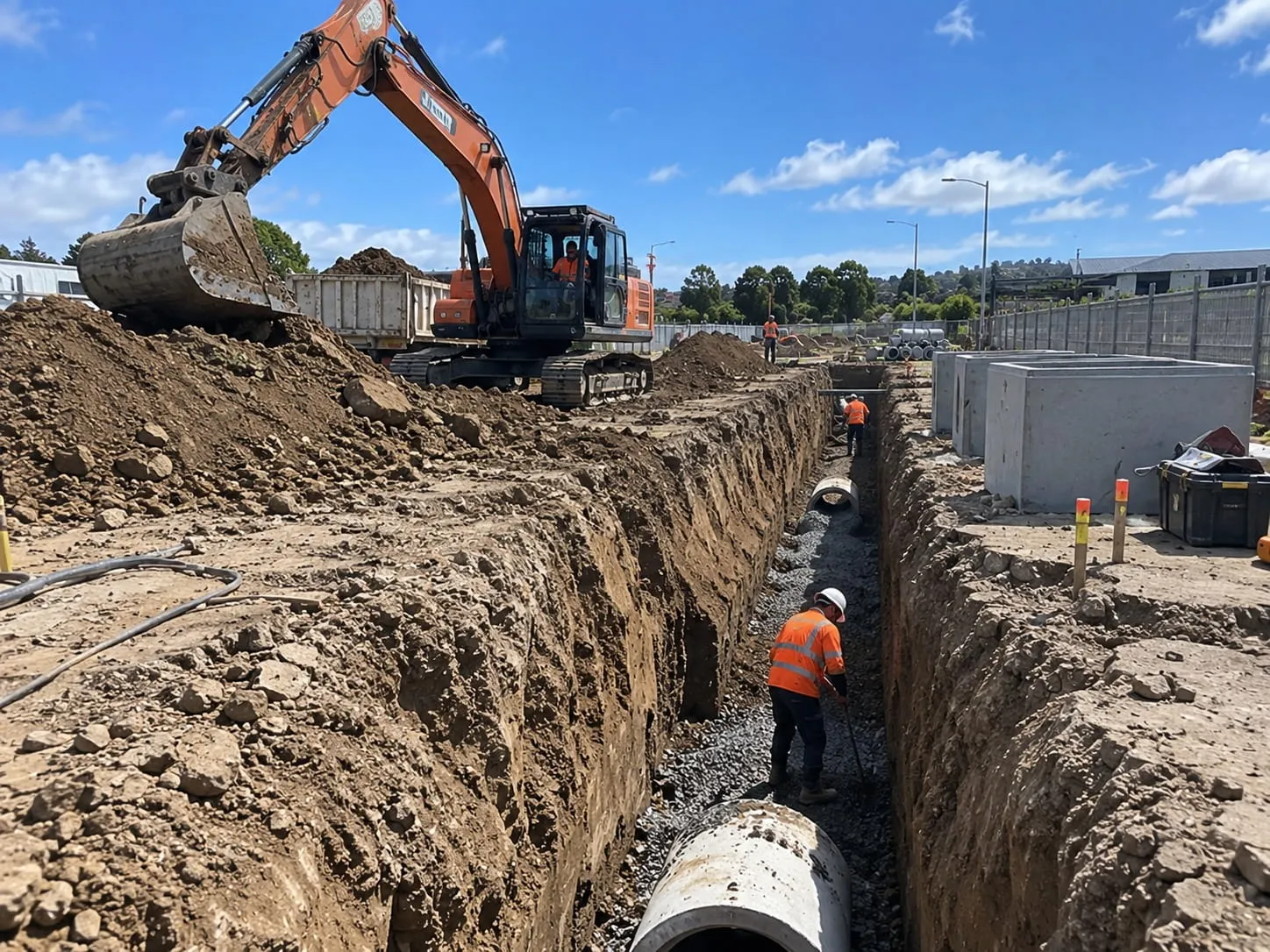
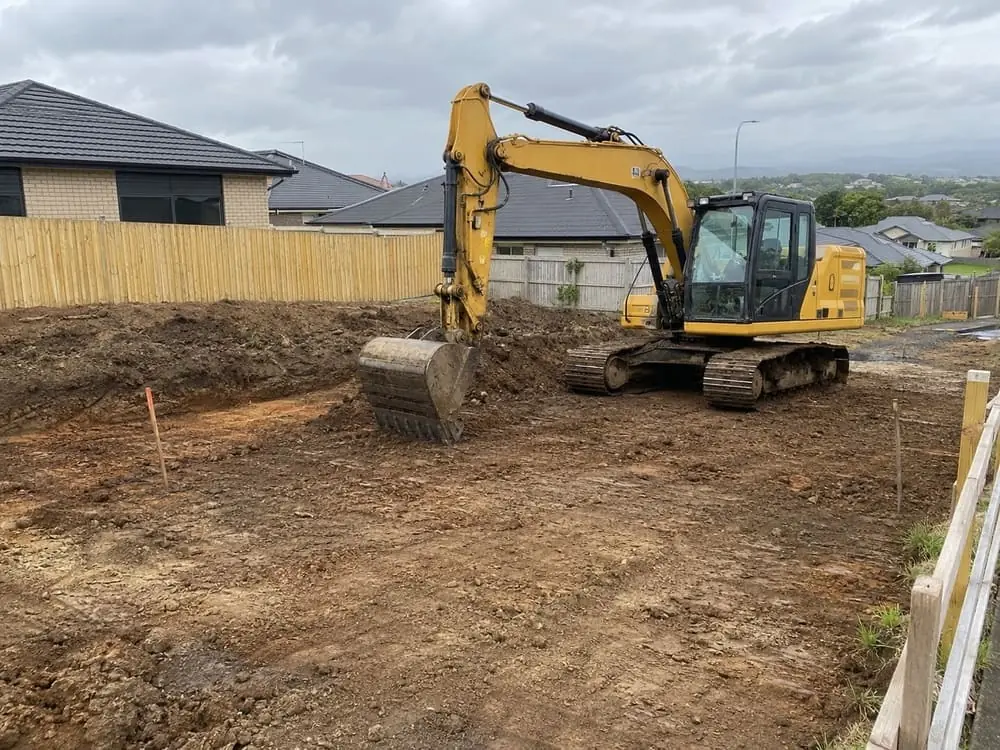
On larger blocks, clearing is usually the first step toward something else: a building platform, a new access track or subdivision earthworks. When the same operators pull the stumps, stack or mulch the vegetation and then move on to stripping, levelling and forming access, there is no hand-off between a clearing crew and a civil crew. Root holes are filled and compacted by the people who will build on that ground, and one contact coordinates the whole programme across your Waikato property.
Hamilton Land Clearing Contractors: Our Scope
Land clearing starts by walking the block together, so the trees, plantings and waterways you want kept are marked before work begins.
Included in the scope
- Trees, shelterbelts, gorse and scrub cleared with root rakes
- Stumps and root balls dug out and holes backfilled
- Farm rubbish, wire and dumped materials pulled out and sorted
- Retained trees and riparian areas marked and worked around
- Vegetation mulched, stacked or carted as agreed beforehand
Confirmed separately
- Waikato Regional Council or district consent for regulated clearing
- Green waste facility charges when material is carted off site
- Silt fencing and erosion controls sized to the cleared area
- Topsoil spreading and regrassing preparation after clearing
- Grading, cut and fill once the land is open