Subdivision Roads Hamilton
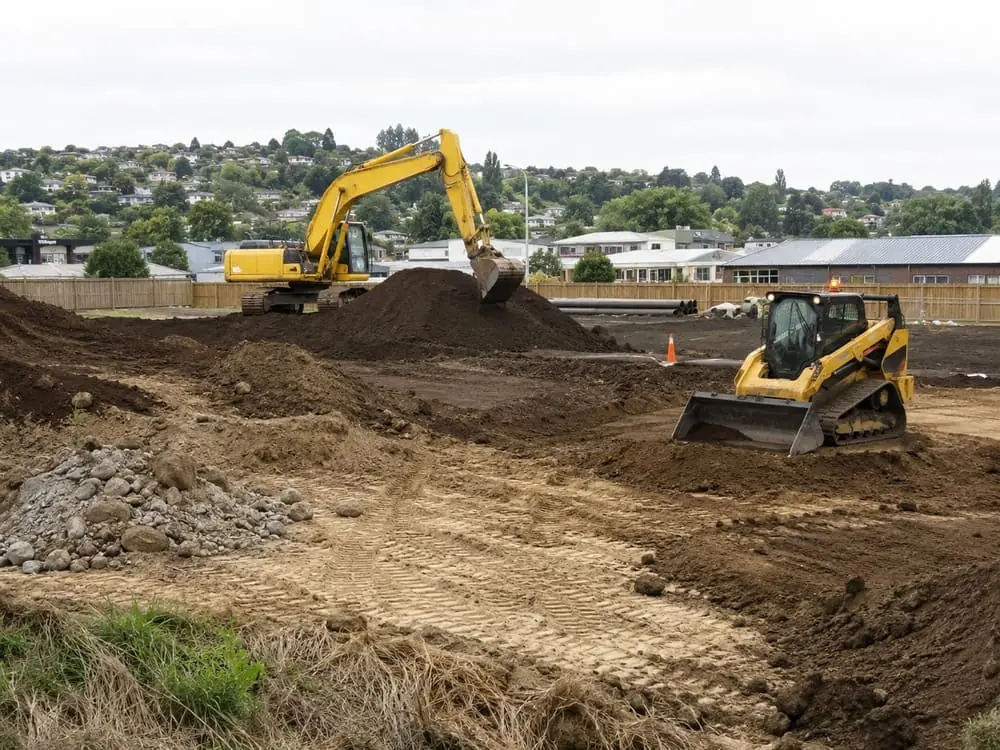
Subdivision roads formed, compacted and surfaced ready for council sign-off.
07 8087 881Subdivision Road Construction in Hamilton
Every successful subdivision depends on properly constructed roads built to council engineering standards. Our subdivision road construction services in Hamilton cover the full process, from sub-base preparation to sealing, ensuring roads are built to withstand years of vehicle traffic and Waikato's weather conditions. We work closely with developers, engineers and council requirements to ensure every road meets consent conditions and passes required inspections.
Proper compaction, drainage integration and correct road profile are critical to avoiding future maintenance issues or compliance failures. Our experienced team understands the technical demands of subdivision-scale roading, delivering reliable results that keep projects moving through council sign-off without costly delays or rework.
Free estimate
Subdivision Road Construction Services in Hamilton
A subdivision road is a sequence of stages that each have to be right before the next begins. We work from the approved engineering drawings and the relevant council standards, such as the Regional Infrastructure Technical Specifications, coordinating earthworks, services, pavement layers, kerbs and surfacing so inspections happen on time and the road is handed over in good order.
Road Corridor Earthworks
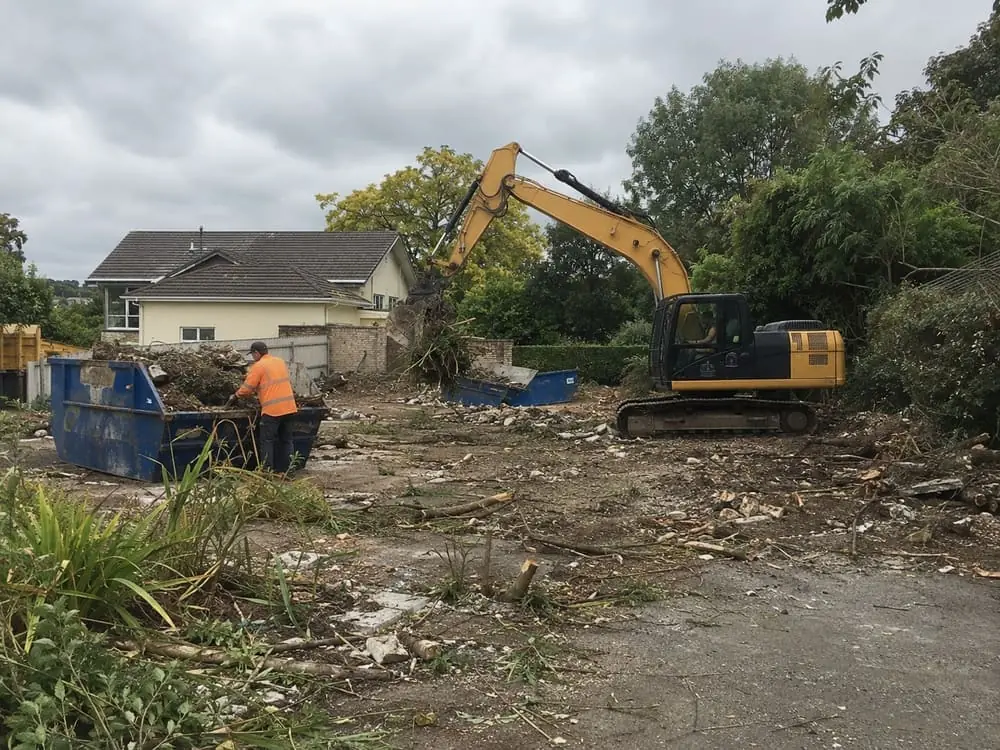
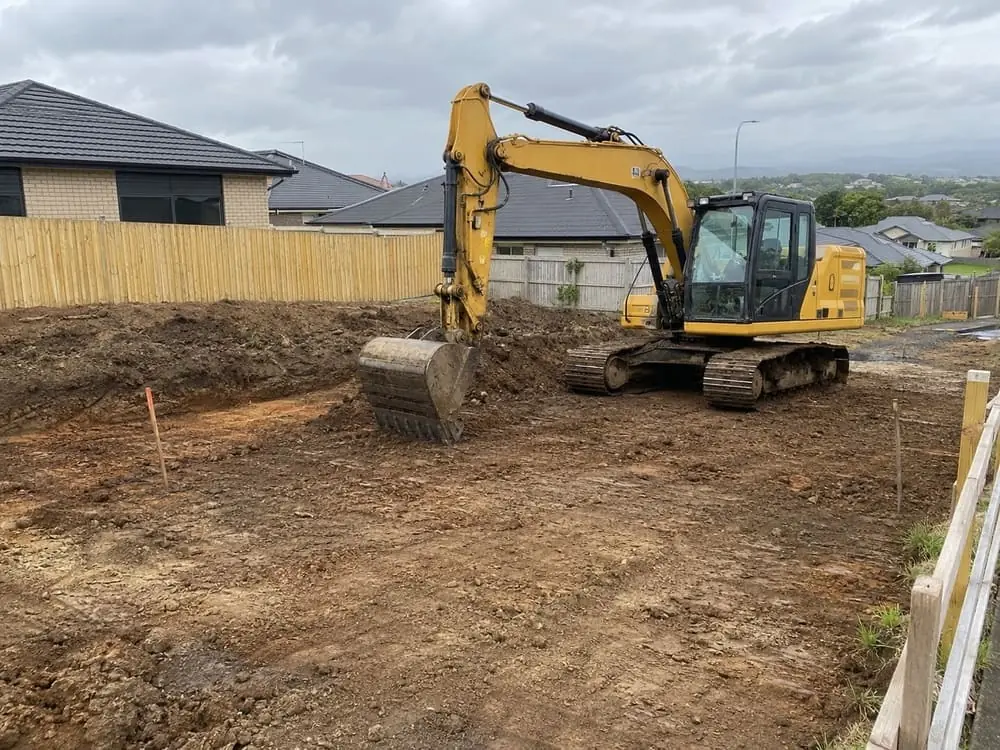
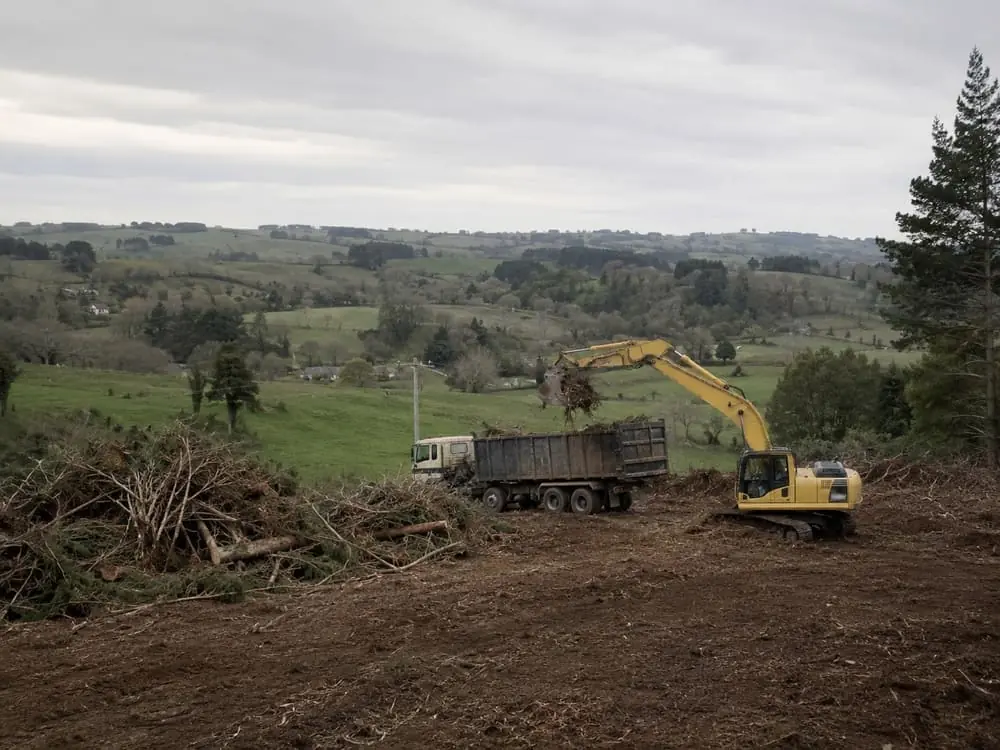
We strip topsoil, cut and fill the road corridor to design levels and shape the subgrade to the correct crossfall. Unsuitable material such as soft clay or peat is identified early and undercut where the engineer directs, giving the pavement a consistent, well-compacted platform to be built on.
Services Coordination
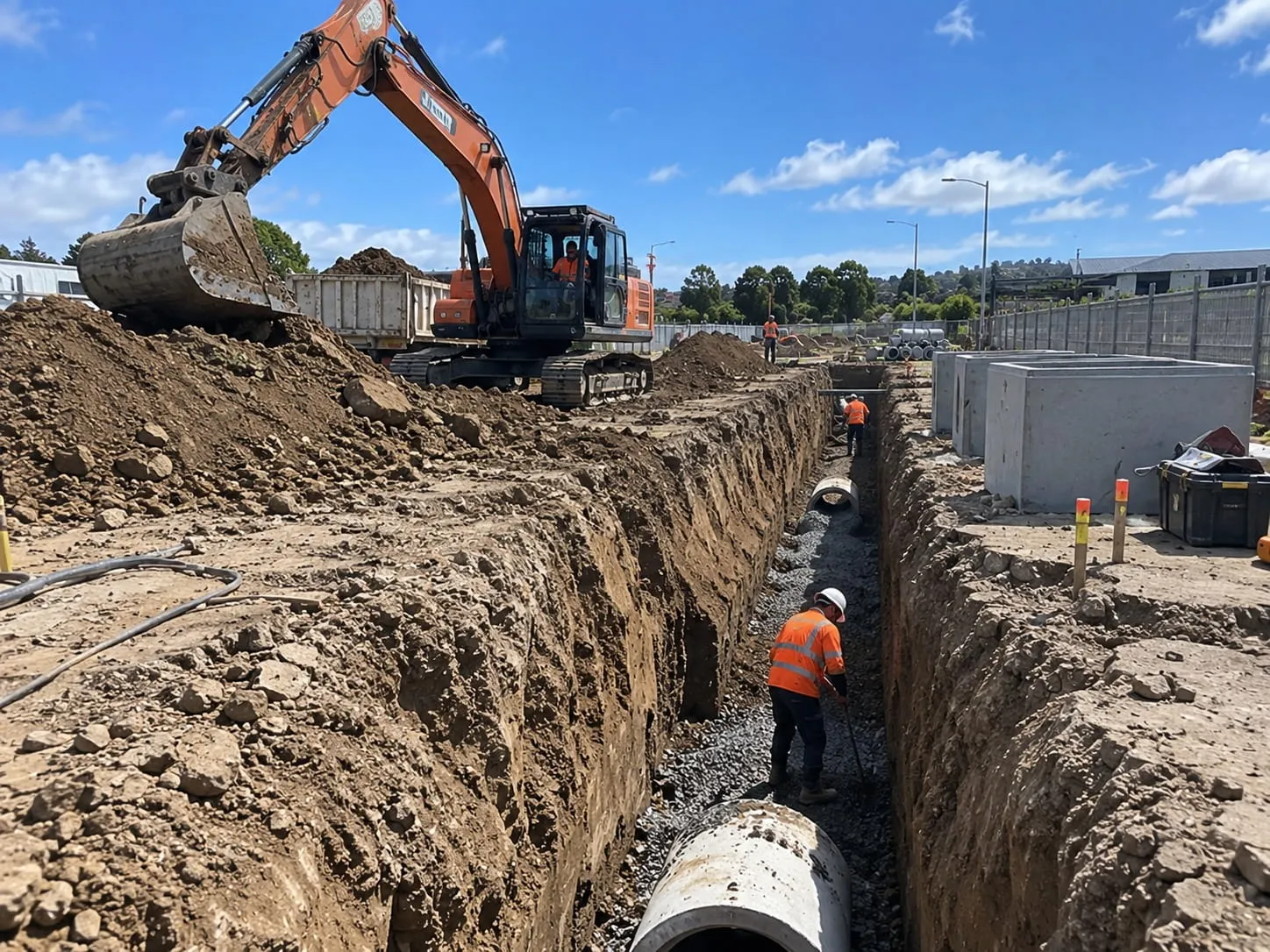
Stormwater, wastewater, water mains and utility ducts usually run within or across the road reserve. We sequence roading around these installations, protect laid services during construction and backfill crossings to specification, so there is no need to dig up new pavement later to fix a missed connection or duct.
Pavement Layer Construction
Sub-base and basecourse aggregates are placed and compacted in controlled lifts to the thicknesses shown on the pavement design. We trim to level between layers and work with your engineer on testing, so each layer is signed off before the next goes down and the finished road carries traffic as intended.
Kerb And Channel Integration
Kerb and channel sets the edge of the carriageway and controls how water leaves the road. We coordinate kerb installation with the pavement build so levels, crossfalls and sumps line up properly, avoiding ponding at the gutter and awkward transitions between the concrete edge and the sealed surface.
Sealing And Asphalt Surfacing
Once the basecourse is complete and approved, the road is surfaced with chip seal or asphalt as specified in the design. We prepare the basecourse to a tight, clean finish beforehand and coordinate with surfacing crews, so the final wearing course bonds well and presents a smooth, durable driving surface.
Intersections And Cul-de-sacs
Tie-ins with existing council roads, turning heads and cul-de-sac bulbs need careful levels and traffic management. We form these areas to the approved geometry, match existing pavement cleanly at the join and plan the work to limit disruption to traffic on neighbouring streets while the connection is made.
Testing And Quality Records
Council sign-off relies on evidence as well as a good-looking road. We work with your engineer and testing provider to arrange compaction and strength testing at the right stages, keep level records and provide the information needed for as-built plans and the engineering completion documentation for your subdivision.
Staged Development Roading
Many Waikato subdivisions are built in stages. We can construct roads to temporary ends, provide construction access for later stages and return to extend or finish the network as each stage is released, keeping the road usable for new residents while further earthworks and building continue nearby.
Benefits of Building Subdivision Roads With Hamilton Demolition
A subdivision road brings together several stages that are often split between contractors: corridor earthworks, service trenches, sub-base and basecourse, kerb and channel, footpaths and access ways to the lots. Keeping those stages with one civil crew means each layer is built by people who know what sits beneath it, testing and inspections are lined up in the right order, and the developer has one contact accountable for the road from subgrade through to the finished corridor.
Hamilton Subdivision Road Contractors: Our Scope
Road building starts from the approved engineering drawings, so the pavement design, RITS requirements and consent conditions are settled before earthworks.
Included in the scope
- Road corridor cut, filled and shaped to design crossfall
- Sub-base and basecourse placed in compacted, controlled lifts
- Roading sequenced around stormwater, wastewater and utility ducts
- Kerb and channel levels coordinated with the pavement build
- Level records supplied for as-builts and completion documentation
Confirmed separately
- Undercut and imported fill where soft clay or peat appears
- Traffic management for tie-ins with existing council roads
- Compaction and strength testing by your engineer or laboratory
- Temporary road ends and construction access for later stages
- Council engineering fees and inspections towards Section 224c